0
0

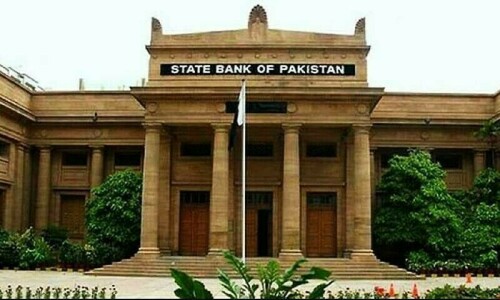
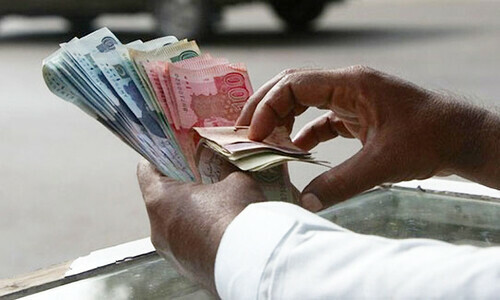
KARACHI: The private sector has yet to begin borrowing from banks this fiscal year, despite a 2.5 per cent cut in the interest rate aimed at diverting liquidity towards economic growth.
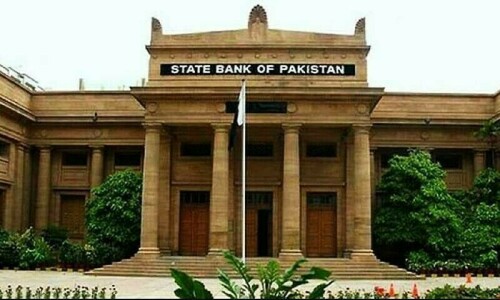
According to the latest data released by the State Bank of Pakistan on Tuesday, the private sector remained cautious over the last 47 days, with a net debt retirement of Rs333 billion.
Throughout the previous fiscal year (2023-24), the State Bank faced significant pressure to reduce the interest rate, as the previous 22pc rate severely hampered economic growth and led to widespread unemployment.
With inflation on the decline, the State Bank was able to reduce the interest rate twice, bringing it down from 22pc to 19.5pc.
Banks also wary of increased risk of defaults at 19.5pc rate
However, the latest data shows that the private sector remains reluctant to borrow at the current 19.5pc interest rate. Bankers said that this rate is still too high for the private sector, as the cost of doing business would likely result in losses. Additionally, banks are wary of the increased risk of defaults at this rate.
Trade and industry have been calling for a reduction in the interest rate to 14pc, especially as inflation fell to 11.1pc in July. However, financial experts believe that it is unlikely the interest rate will reach 14pc anytime soon.
Some experts suggest that if inflation falls to 6pc to 7pc by the end of the current fiscal year, there may be a possibility of lowering the interest rate to 16pc.
The private sector’s net debt retirement for conventional banks amounted to Rs212.7bn during the period from July 1 to August 16 compared to Rs127bn during the same period last year.
Islamic banks saw a net debt retirement of Rs91bn, up from Rs31bn in the same period last year. Islamic banking branches of conventional banks saw a net debt retirement of Rs29.2bn compared to Rs19bn during the same period in the previous year.
The government is facing a challenging economic environment, with sluggish economic activities threatening to impact exports. Several industries, particularly in the export sector, have expressed concerns over the exorbitant cost of electricity.
Some experts have said electricity prices in Pakistan are among the highest in the world, weakening the economy, with small and medium enterprises (SMEs) being the hardest hit.
Banks remain hesitant to finance SMEs, fearing defaults at the current interest rate. The government had planned to prioritise SMEs and directed the State Bank to devise a strategy.
The SBP urged banks to ensure that small and medium enterprises receive the necessary financing.
However, little progress has been made, with banks continuing to prefer parking their liquidity in government securities for risk-free, high returns.
Published in Dawn, August 28th, 2024