Pakistan’s fishing industry holds an export potential worth $4 billion if it follows the proper procedure that India has adopted, according to an expert.
In an interview with DawnNewsTv show ‘All Things Money’, Al-Karam Investments Director Faraz Zafar said that Pakistani fish farmers could produce a “dollarised output” if a proper ecosystem was developed for them, emphasising that the fishing industry had the potential to reach $4 billion if the proper procedure was followed.
Zafar pointed out that despite the volume of the country’s fishing industry, fish farmers were unable to export as much as other countries in the region — such as India and Sri Lanka — in the absence of proper guidelines.
“We export quite a bit of seafood in terms of volume, however, most of our trawlers don’t have proper processing on board and so what you get is essentially almost spoiled fish by the time we get to the harvest,” he said
He cited the example of his interaction with a Sri Lankan entity which was shocked by the amount of catch in Pakistan’s harbours.
“You have to go back to changing the regulations on how trawlers work,” he said, adding that fish and shrimp farms could be high-value items if developed properly in the country.
Comparing India’s fishing industry to Pakistan, he said that the latter faced export bans from countries such as the US for not having turtle extrusion devices. He said that India faced similar prohibitions, however, it had found a way to navigate through those bans.
“There is a proper procedure for you to have a certified product from a farm rather than the ocean,” he stated, adding that currently, the country exported around only $37 million worth of fish so they had to “catch up” with the rest of the region.
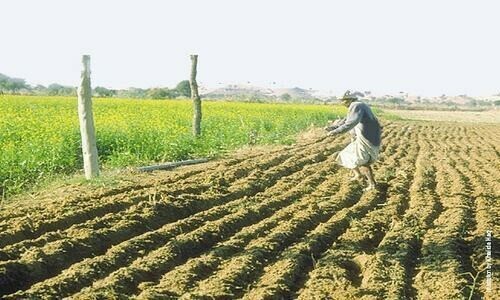
As for cotton, when asked why textiles were still being imported, he said it was easier because “there was less trash”.
“It just makes so much more sense that you can solve these issues simultaneously, the quality of cotton, pricing of the cotton, and the availability of the cotton.
“You have to remember that we are now a water-scarce country and cotton is a very water-intensive crop,” he said.
When compared to rice, which is also a very water-intensive crop and is still exported, he replied that cotton manufacturing involved a lot more stages compared to rice, which resulted in more spoilage.
As for using drones for irrigation, he said there was little regulation when it came to drones and the first thing to do was devise regulations to avoid red tape.
“As a drone operator, what you’re doing is you’re scanning over large farms, it will come back and tell you everything from weed count to termination rates to plant count,” he said, “It can come back and feed that data into a computer.
“A different drone with pesticides can get up go to exactly where the weeds are, spray just there, and if a farm has less than 3 per cent pesticide used in the area, it can be certified organic,” he said.
“All of a sudden you have the machinery to make almost any good farm certified organic.”