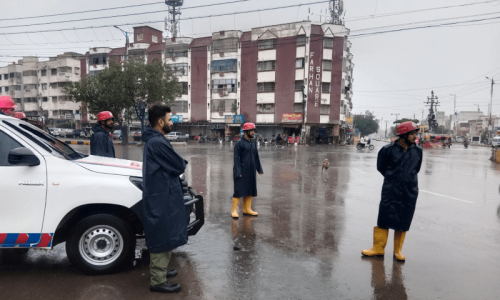
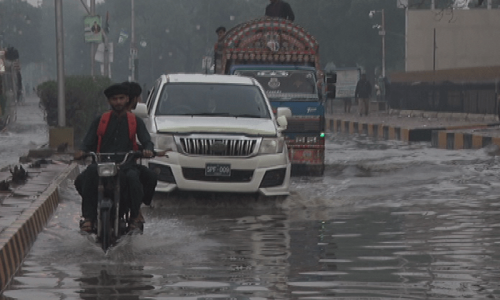
The Pakistan Meteorological Department (PMD) has predicted scattered heavy rainfall all over Pakistan, including major cities of Karachi, Lahore and Islamabad, from August 2 to August 6 with “occasional gaps”.
Pakistan experiences its monsoon season from July to August, typically receiving around 255mm of rain each month. Owing to the dangers of urban flooding and other rain-related incidents, PMD advised authorities to remain alert and take necessary measures to avoid any untoward situation.
“Heavy downpour may cause urban flooding in low-lying areas of Islamabad/Rawalpindi, Gujranwala, Lahore, Sheikhupura, Kasur, Sialkot, Sargodha, Faisalabad, Multan, Sahiwal, Nowshera and Peshawar from 2nd to 5th August,” the department said, adding that low-lying areas of Sindh will receive rains on August 4 and 5.
It also warned of landslides causing road closures in vulnerable hilly areas of Khyber Pakhtunkhwa.
In Sindh, it predicted heavy showers in several areas including Jamshoro, Umarkot, Tharparkar, Khairpur, Thatta, Karachi, Hyderabad, Sukkur, Larkana, and Dadu.
Karachi is already witnessing light rain.
The metropolis had experienced intermittent light to moderate showers a day ago as well, with rainwater accumulating on roads and power supply suspended for hours in some areas.
The PMD further added it was also expecting “few heavyfalls” in Balochistan’s Khuzdar, Labella, Awaran, Panjgur, Ketch, Kalat, Quetta, Ziarat, and Makran Coast.
For Khyber Pakhtunkhwa, the department also listed various areas to be hit with “scattered heavy with isolated very heavyfalls”, including Peshawar, Chitral, Dir, Swat, Kohistan, Malakand, Shangla, Battagram, Buner, Kohat, Bajaur, Mohmand, Khyber, Mansehra and Abbottabad.
The department said Punjab would also witness rain, wind, and thunderstorms, listing major cities such as Lahore, Rawalpindi, Murree, Chakwal, Gujrat, Gujranwala, Chiniot, Faisalabad, Sialkot, and Sargodha.
In 2022, monsoon rains reached unprecedented levels, with over 190 per cent of the usual rainfall for July and August.
The excessive rainfall led to saturated flood basins, overflowing rivers, and overwhelmed the natural drainage systems, directly causing widespread flooding.
The increasing frequency and intensity of such extreme weather events are attributed to climate change, which has also led to glacier melting, further worsening the heavy rains.