United Nations experts on Thursday voiced grave concern at reports of surging discrimination and violence against Pakistan’s Ahmadiyya minority community, including extrajudicial killings and attacks on places of worship.
The Ahmadiyya sect has been persecuted for decades in Pakistan but threats and intimidation have risen in recent years.
“We are alarmed by ongoing reports of violence and discrimination against the Ahmadiyya community in Pakistan,” said the eight independent experts, including the special rapporteurs on extrajudicial executions, on freedom of expression and on freedom of religion.
“Urgent measures are necessary to respond to these violent attacks and the broader atmosphere of hatred and discrimination which feeds it,” they said in a statement.
The experts, who are appointed by the UN Human Rights Council but who do not speak on behalf of the United Nations, highlighted a number of specific incidents over recent months.
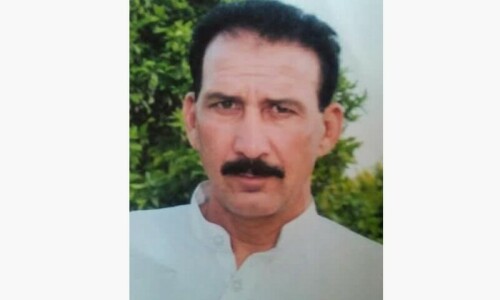
Those included the extrajudicial killing of two Ahmadis in Saad Ullah Pur on July 8 and the killing on March 4 of the president of the Ahmadiyya community in Bahawalpur district.
They also noted reports of an alarming number of attacks on Ahmadi places of worship and cemeteries since the beginning of the year, including some that had led to the serious injury of worshippers.
The statement also highlighted a number of alleged arbitrary arrests of Ahmadi worshippers over religious holiday periods “to obstruct their participation in their religious practices”.
There are around 500,000 Ahmadis in Pakistan according to their community leadership.
The Constitution has branded them non-Muslims since 1974, and a 1984 law forbids them from claiming their faith as Islamic or openly practising Islamic rituals.
“Ahmadis’ right to peacefully manifest their beliefs must be respected,” the experts insisted, warning that “judicial harassment serves to normalise violence against Ahmadis by non-state actors”.
They welcomed the National Assembly’s adoption last month of a resolution urging federal and provincial governments to ensure the safety and security of all Pakistani citizens including religious minorities.
But, they cautioned, “such good-faith efforts to counter discriminatory discourse will be ineffective unless they address its structural drivers, (including) blasphemy laws and discriminatory legal provisions”.