NA passes tax-laden budget ahead of talks on fresh IMF loan


The National Assembly on Friday passed the government’s tax-heavy finance bill for the coming fiscal year ahead of more talks on a new International Monetary Fund (IMF) bailout as it seeks to avert a debt default for an economy growing at the slowest pace in South Asia.
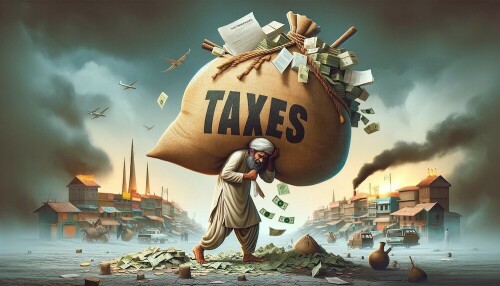
The government presented the tax-loaded budget two weeks ago, drawing sharp criticism from opposition parties, especially the PTI, as well as coalition ally PPP.
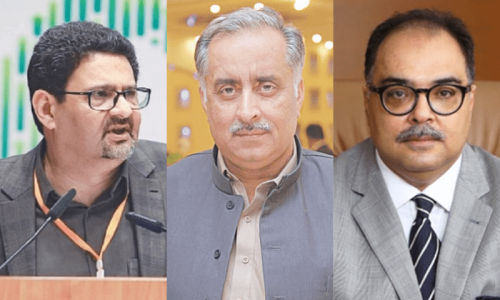
Finance Minister Muhammad Aurangzeb had moved the finance bill in parliament, which had been opened to seek amendments and debate by the ruling alliance led by Prime Minister Shehbaz Sharif and its opposition.
Opposition parties, mainly parliamentarians backed by currently incarcerated former premier Imran Khan, have rejected the budget, saying it will be highly inflationary.
On Tuesday, the PPP — which had initially boycotted the debate over the budget — decided that it would vote for the finance bill despite certain reservations.
While giving a press briefing after a party meeting, PPP leader Naveed Qamar had said the meeting decided that if the party did not vote for the budget, “it would amount to dismantling the government and paving the way for instability in the country”.
The government now has numbers and this budget will go through, Qamar had asserted.
Besides the PPP, members of the Muttahida Qaumi Movement-Pakistan (MQM-P), another ruling coalition partner, has also expressed concern over the government’s move to impose taxes on the salaried and middle-class people, stating that the budget would cause more inflation in the country.
Speaker Sardar Ayaz Sadiq announced moving the bill in a live TV telecast.
Policymakers have set a challenging tax revenue target of Rs13 trillion rupees for the fiscal year starting July 1, up about 40 per cent from the current year, in the national budget presented on July 12 that looked to strengthen the case for a new rescue deal with the IMF.
Pakistan is in talks with the IMF for a loan of $6 billion to $8bn.
The rise in the tax target is made up of a 48pc increase in direct taxes and a 35pc hike in indirect taxes over revised estimates of the current year. Non-tax revenue, including petroleum levies, is seen increasing by a whopping 64pc.
The tax would increase to 18pc on textile and leather products as well as mobile phones besides a hike in the tax on capital gains from real estate.
Workers will also get hit with more direct tax on income.
The government has projected a sharp drop in its fiscal deficit for the new financial year to 5.9pc of GDP, from an upwardly revised estimate of 7.4pc for the current year.
The central bank has also warned of possible inflationary effects from the budget, saying limited progress in structural reforms to broaden the tax base meant increased revenue must come from hiking taxes.
The upcoming year’s growth target has been set at 3.6pc with inflation projected at 12pc.