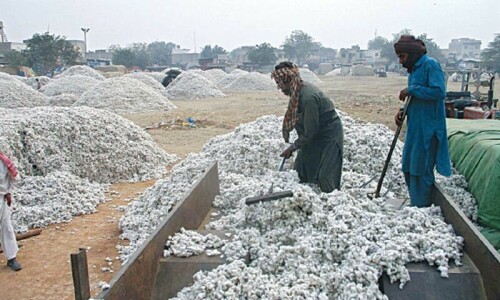
LAHORE: As if unfavourable weather, low crop yield and poor than expected produce rates were not enough, further hammering of cotton growers is in store as ginners are likely to go on strike pending a final decision on Sunday.
An urgent meeting of the general body of the Pakistan Cotton Ginners Association (PCGA) has been convened at Sukkur on June 23 to discuss the situation arising out of new taxation measures on the textile sector in the federal budget 2024-25, it is learnt.
Sources say that both PCGA and All Pakistan Textile Mills Association (Aptma) are perturbed by their pleas regarding new taxes on the sector being ignored by the federal government.
To discuss the situation, the PCGA leadership has called an urgent meeting of the association which, as part of putting pressure on the government to consider their pleas on tax measures, is likely to take a decision on immediately suspending seed cotton (phutti) purchases and shutting down ginning operations, sources added.
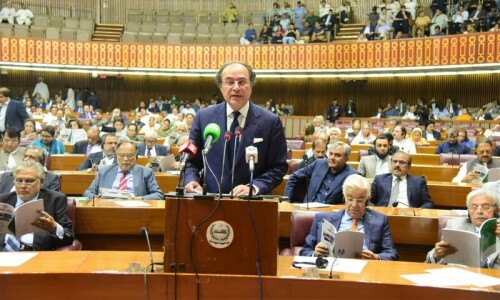
There is a record 72 per cent general sales tax (GST) on the ginning industry, while a new 10pc sales tax has been imposed on oil cake in the recent budget. The GST ratio for the textile industry has also been increased from 10pc to 18pc at different stages of value-addition.
Cotton Ginners Forum chairman Ihsanul Haq says there is a wave of concern in the entire cotton sector on the increase in the rates of already imposed taxes. He says that the new tax on oil cake will make it impossible for the ginners to continue their business therefore they are meeting on Sunday to frame a joint strategy to cope with the situation and it is most likely that all will agree on closing their ginning units.
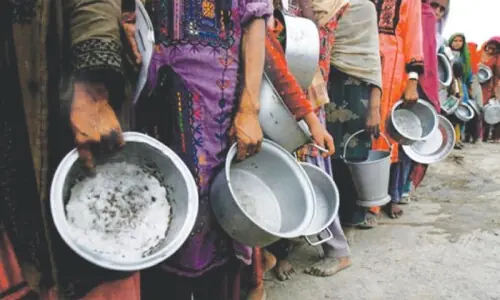
Criticising the government for allocating a heavy amount for the Benazir Income Support Programme in the recent federal budget, he regrets that the rulers believe in promoting ‘beggary’ instead of employment by apportioning Rs569 billion for charity and ignoring industrialisation.
“The government should have better used these funds either to establish new industries or to cover up its revenue shortfall by not enhancing tax ratios on the industrial sector in the larger interest of the national economy by making operational the closed units leading to a significant increase in foreign exchange reserves through export proceeds.”
Published in Dawn, June 20th, 2024