ISLAMABAD: Unicef Pakistan on Tuesday launched its National Gender Strategy (2024-2027) to bring about lasting and transformative change for millions of girls between 10-19 years.
Unicef said that if the strategy was implemented effectively from urban to rural areas, it could drive change, address inequalities and improve the lives of all girls and women, including those living with disabilities.
“Striving for equal opportunities for all, especially girls, is fundamental to Pakistan’s progress. Investing in girls is a win-win for everyone,” said National Commission on the Status of Women Chairperson Nilofar Bakhtiar.
“It can lead to higher incomes and increased productivity, benefiting not only girls, but also the nation. By investing in girls’ leadership, we unlock their full potential and pave the way for their brighter future,” she added.
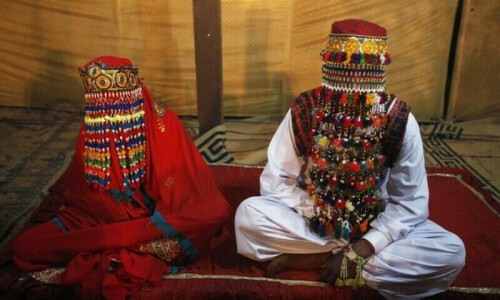
Unicef maintained that adolescent girls in Pakistan faced stark challenges in their education, health, nutrition and well-being. For example, Pakistan was home to nearly 19 million child brides.
In addition, more than half of adolescent girls, or 54pc, were pregnant before their 18th birthday which could be life-threatening for the mother and the child. A staggering 88pc of adolescent girls lived in poverty which hampered the country’s progress.
“Millions of children, most of whom are girls, face devastating challenges in their daily lives. Often, they cannot use even basic social services like health care. They are forced to drop out of school due to early marriage, poverty, and deep-rooted social norms,” said Unicef Deputy Representative in Pakistan Inoussa Kabore.
Ms Kabore said: “If all girls and women were to have the opportunities that are their right, such as studying, working, they would contribute to the economy and help Pakistan to prosper. No country will get ahead if half its population is left behind. Unicef looks forward to working with the government, civil society organisations, communities, girls and women, men and boys, to change the national dialogue on this critical issue.”
During the launch, Unicef presented URAAN, which embodied its spirit on gender equality, with wings that symbolised greater equity in programming on gender.The new strategy reiterated Unicef’s commitment to the leadership and well-being of adolescent girls with a series of time-bound results.
Through the strategy, Unicef would invest in girls’ leadership, voice and agency: To make girls powerful change makers, the strategy would equip them with the skills and confidence necessary to lead in all aspects of their lives.
It would also address harmful attitudes and behaviours, social and behaviour change initiatives would challenge deep rooted attitudes that perpetuate gender inequality. To change existing beliefs, Unicef would work with influencers like leaders, religious figures, boys and men. Mass and social media platforms would amplify positive messages.
It would strengthen and scale up gender equitable programming so that adolescent girls could get the quality services they deserve, especially in education, healthcare, nutrition and social protection. Greater accountability and protection for girls will help too. The strategy would also address barriers at the national and provincial levels, including gaps in gender-disaggregated data, infrastructure and child protection measures.
Published in Dawn, May 1st, 2024