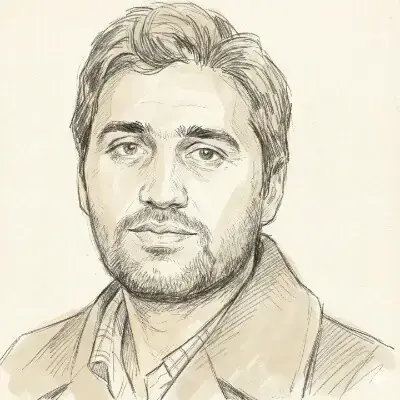
PESHAWAR: Speaker of the Khyber Pakhtunkhwa Assembly Babar Saleem Swati on Thursday said that problems cropped up only when institutions overstepped their constitutional roles.
“State institutions are powerful. They are not the state, but just part of it,” Mr Swati told reporters in the assembly here.
He said legislators acted as a buffer between the security establishment and the people.
He said people were filmed and stripped naked for challenging the powers-that-be.
“This is a bitter reality,” he said.
The speaker said the session for the swearing-in of the members elected to reserved seats had to be called by the provincial government.
“The day the house is called, they [women and non-Muslim members elected to reserved seats] will take oath and sign the roll of members, but it is the government to call that session,” he said.
Mr Swati said that he received a letter from the provincial governor about the session for administering oaths to those reserved seats and responded to it after getting the advice of the law department.
He also said that the government filed the reply after getting the high court’s orders about the oath-taking session and assured it that all its orders would be implemented “if applicable.”
The speaker said the country got the Constitution but continued to have the pre-Partition laws.
He flayed media restrictions on detained former prime minister and PTI founder Imran Khan.
In a statement issued by his office afterwards, the speaker said that the media’s role was very important in any democratic state.
“A country becomes an ideal place to live if the media plays an active role in a positive manner,” he said.
Mr Swati directed officials of the assembly secretariat to address the issues of parliamentary reporters.
He issued directions to them on Wednesday as well, ensuring that journalists attend meetings of the public accounts committee to let people know about the revenue’s sources and utilisation.
The assembly session for the swearing-in of new members is a bone of contention between the government and the opposition.
A legal battle between them began after the government refused to follow the governor’s orders to call a sitting for administering oaths to women and non-Muslims elected to reserved seats.
It declared those orders against the Constitution as well as the rules and refused to follow them, prompting the opposition members to demonstrate and start a legal battle.
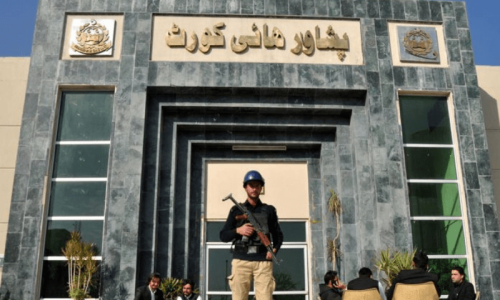
Ahead of the April 2 Senate elections, the Peshawar High Court directed Mr Swati to administer oaths to the provincial assembly’s members elected to reserved seats to ensure their participation in the forthcoming electoral exercise.
Published in Dawn, April 26th, 2024