Dubai’s flagship carrier Emirates and sister airline flydubai have restored normal operations after a record-breaking storm caused severe flooding across the United Arab Emirates earlier this week, the airlines said on Saturday.
Emirates cancelled nearly 400 flights and delayed many more as a result of a record storm that hit the desert city of Dubai on Tuesday, according to a statement released by the airline’s president, Tim Clark.
“As of this morning … our regular flight schedules have been restored. Passengers previously stranded in the airport transit area … are en route to their destinations.
“It will take us some more days to clear the backlog of rebooked passengers and bags, and we ask for our customers’ patience and understanding,” Clark added. He also said that Emirates provided 12,000 hotel rooms and 250,000 meal vouchers to affected customers.
Flydubai also returned to its full flight schedule from the airport’s Terminal 2 and Terminal 3 today following the weather-related disruption, a spokesperson for the airline said in a statement.
According to the Civil Aviation Authority’s (CAA) website, various carriers’ flights from Pakistan are travelling to and from Dubai.
Due to the impact of the storm, the airline suspended check-in for passengers departing from Dubai and halted its transit operations through Dubai International Airport, a major global travel hub, leaving thousands of travellers stranded.
The airport has struggled to return to normal operations after the storm flooded taxiways, forcing flight diversions, delays and cancellations.
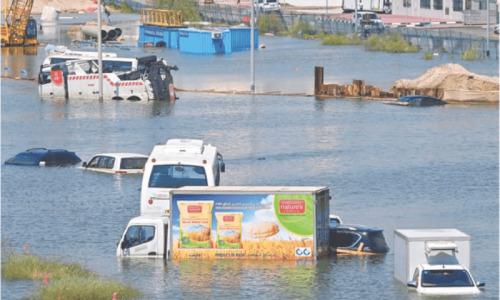
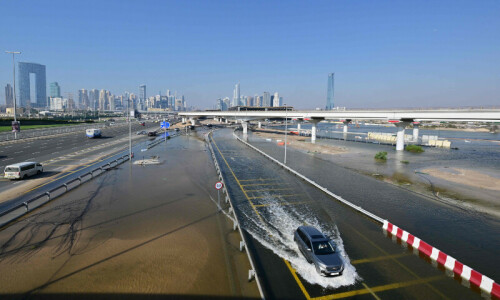
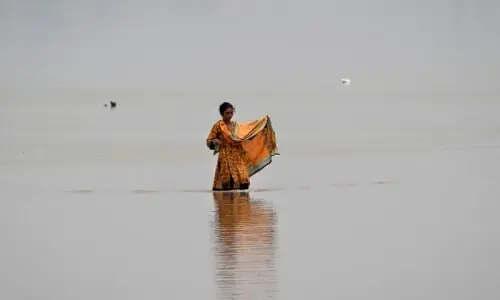
The UAE has suffered the impact of the flooding for days, with roads between the city and Abu Dhabi still partially underwater as of Saturday. In Abu Dhabi, some supermarkets and restaurants faced product shortages, unable to receive deliveries from Dubai.
Researchers have linked extreme weather events such as Tuesday’s storm to climate change and anticipate that global warming will lead to higher temperatures, increased humidity and a greater risk of flooding in parts of the Gulf region.
A lack of drainage infrastructure to cope with heavy rains in countries such as the UAE can put them at particular risk of flooding.