Sindh flood victims not hopeful polls change their lives for the better



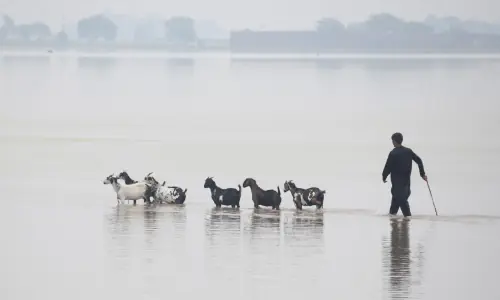
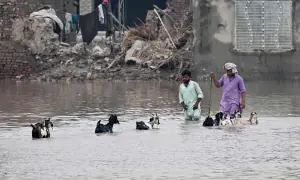
THATTA: Hundreds of flood victims, who have been living in tents and makeshift huts on the Indus River’s banks near what remain of their inundated lodgings in 70 villages, feel abandoned by their elected representatives and have little hope upcoming general election will bring any change into their miserable lives.
They took shelter in flood relief camps after the deluge destroyed their homes and hearths in 2022 and returned to their villages after water started receding in hope the government would soon compensate them for their losses or rehabilitate their lodgings but they received neither.
The elected representatives kept assuring the victims of commencing rehabilitation work in their villages and also launching development schemes but nothing had been done since, complained the victims. Among the 70 flood-hit villages, those falling in union councils of Tando Hafiz Shah and Sufi Shoro are in dire need of rehabilitation.
Haleema, a resident of Syed Ameer Shah village, lamented: “We have been braving harsh weather since our return. Several governmental and non-governmental organisations visited us and conducted surveys but their work led to nothing”.
Allah Bux, a frustrated elder, said bitterly: “The government officials kept visiting our village and held out assurances on several occasions that the villagers would be provided well-furnished houses but so far they have seen nothing on ground.”
He deplored indifferent attitude of elected representatives who, he said, had never even bothered to visit their areas since the flood struck in 2022.
Nabi Bux, a peasant, said tremulously: “We live along the river bank and have been braving floods since 2010 but we have not seen such indifference before”. They had staged several protests but their hue and cry landed on deaf ears, he complained.
Social activist and senior journalist, Iqbal Jakhro, said that the district’s deputy commissioner was tasked with carrying out rehabilitation work in the flood-hit areas and budget had also been released for the purpose but changed nothing on ground.
The flood victims see little hope their long wait will end anytime soon after general election.
Published in Dawn, January 25th, 2024