Protests erupt in Gilgit-Baltistan against increase in wheat price



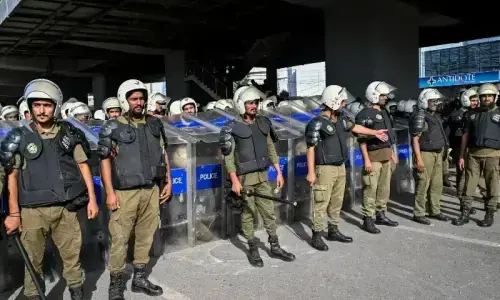
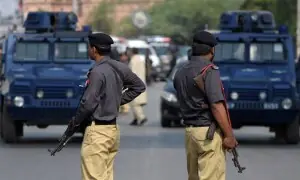
GILGIT:Protest demonstrations and sit-ins started across Gilgit-Baltistan amid freezing temperatures against an increase in the price of subsidised wheat and other issues.
The protesters announced to continue their sit-ins daily in all districts till acceptance of their demands. The call for protests has been given by Awami Action Committee (ACC).
The GB government recently increased the subsidised wheat price from Rs20 kg to Rs36 per kg. In June last year, the government led by then chief minister Khalid Khurshid Khan had increased the price from Rs12 per kg to Rs20 per kg.
The protest demonstrations were held on Tuesday at Yadgar-i-Shuhada Skardu, Siddiq-i-Akbar Chowk Chillas, Etehad Chowk Gilgit and various areas of Diamer, Nagar, Hunza, Astore, Ghanche, Ghizer, Shigar and Kharmang.
Large numbers of people from various political groups, civil society organisations, trade unions and transport and tourism sectors participated in the demonstrations, chanting slogans against both the GB and federal governments for increasing the price of the subsidised wheat. They vowed to continue their protest till withdrawal of the decision and acceptance off their demands.
Meanwhile,speaking to the protesters at Etehad Chowk in Gilgit, AAC chief coordinator Ehsan Ali Advocate said the movement had been launched for the rights of the masses.
He said it had been decided that protest sit-ins will be held in all districts for two hours daily till acceptance of their demands. He said the GB government had not consulted the local people before increasing the prices.
The committee also issued a charter of demands which said the price of the subsidised wheat should be restored to the 2022 level. It also demanded that the Finance Act 2023 should be suspended and all taxes imposed on GB people abolished.
Moreover, it also called for an end to the prolonged electricity crisis. It said GB should be given its share in the NFC award like other provinces of the country. The charter of demand included a demand for 80 per cent royalty of Diamer-Basha Dam net hydel profit and water usage right.
“People related to hotel, transportation and tourism sectors should be given the status of industry. Medical, engineering colleges and a women’s university should be established in GB, and all traditional routes of GB should be restored.”
Opposition leader in the GB assembly Kazim Mesum and members from opposition benches have already supported the protest against the hike in the wheat price.
Published in Dawn, January 3rd, 2024