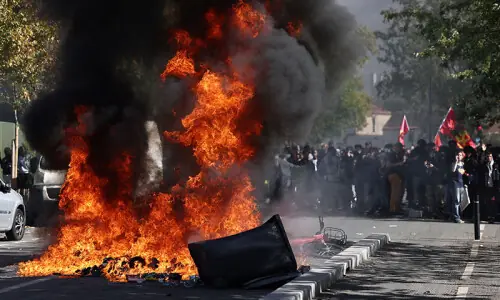
BANGLADESH has been shaken by recent unrest in its key readymade garments sector as workers demand better pay. According to local media, around 400 factories have been shut, while protesting workers have confronted police in several locations, with law enforcers claiming the protesters ransacked a number of concerns. The garments sector is a major money-spinner for Bangladesh, contributing billions of dollars to the economy. However, workers say wages — which were last set in 2018 — are too low, and have rejected the minimum wage offered by factory owners. As one worker put it, “they make good money. But we don’t get a wage in accordance with that”. The condition of Bangladeshi labourers was highlighted globally after the 2013 Rana Plaza disaster. Over 1,100 workers perished when the facility manufacturing garments collapsed. Following the tragedy, international unions put pressure on foreign buyers as well as the Bangladeshi state to improve conditions for workers. These efforts led to two major accords that have greatly helped improve conditions in the country’s garments sector. Yet loopholes remain — as the recent protests have shown, workers are still struggling to secure a living wage.
There are parallels and lessons in Bangladesh’s labour travails for Pakistan. This country witnessed a major industrial disaster of its own — the result of criminal arson — in the shape of the 2012 Baldia factory fire. In the aftermath of that catastrophe, global unions have also pressed for improvements in working conditions in Pakistan’s factories. The Pakistan Accord, similar to earlier efforts in Bangladesh, has been designed to improve safety conditions. Though much work remains to be done on implementation, the accord is a positive development where creating safer workplaces is concerned. Both tycoons as well as the state need to realise that a living wage as well as safe working conditions are essential for the well-being of workers, which in turn would aid productivity and help business grow.
Published in Dawn, November 4th, 2023