ISLAMABAD: Poverty is estimated to have increased in Pakistan during the previous fiscal year due to record high food and energy prices, weak labour markets and flood-related damages, a World Bank report said.
The Macro Poverty Outlook prepared for the recently concluded annual meetings of the World Bank and IMF in Marrakesh, Morocco, pointed out that protracted and elevated food and energy price inflation, in the absence of substantial growth, could cause social dislocation and affect welfare, especially the worse-off households with already depleted savings and reduced incomes.
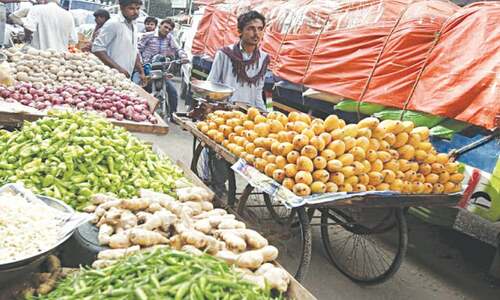
Poverty is estimated to have increased due to deteriorating wages and job quality, along with high inflation that eroded purchasing power, particularly of people experiencing poverty, it says.
Inflation is projected to remain high at 26.5 per cent in fiscal year 2024 and moderate to 17pc in fiscal year 2025 amid high-base effects and lower global commodity prices.
However, the higher petroleum levy and energy tariff adjustments would maintain domestic energy price pressures and contribute to growing social and economic insecurity, the report said.
Even with the short-term, $3 billion loan agreement signed with the IMF earlier this year, foreign exchange reserves, on average, are expected to be less than one month of total imports over the next fiscal year, necessitating continued import controls and constraining economic recovery.
The real GDP growth is expected to only reach 1.7pc in fiscal year 2024, with tight fiscal and monetary policy, persistent inflation and weak confidence due to political uncertainty surrounding upcoming elections.
With the resumption of growth, poverty is expected to decline to 37.2pc in fiscal year 2024. The current account deficit is projected to gradually widen to 1.5pc of GDP in fiscal year 2025, the report said.
Overall, the economic contraction, high inflation and flood-related devastation have affected poorer households disproportionately, leading to greater inequality, with the Gini index estimated to have increased by 1.5 points to 30.7 in fiscal year 2023, the report said.
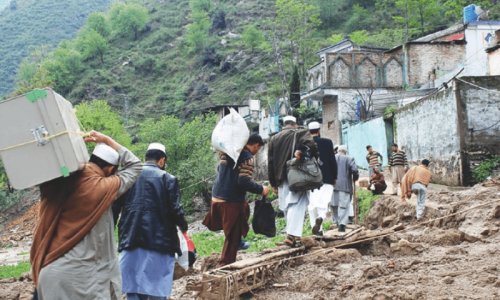
Moreover, last year’s floods, which caused extensive damage to public infrastructure, including schools and clinics, coupled with maladaptive economic coping strategies such as removing children from schools, have likely worsened disparities in human development outcomes within and across regions.
Published in Dawn, October 20th, 2023