LONDON: The finances of nations such as Pakistan and Egypt will be under scrutiny when policy makers and asset managers gather for the World Bank and International Monetary Fund’s (IMF) annual meetings in Marrakech next week.
The meetings will also see finance ministers and central bankers from 190 countries gather in Morocco for a week of meetings about the risks facing the global economy, not too far from the epicentre of a devastating earthquake in Morocco that killed 2,900 people.
As uncertainty surrounds US fiscal policies and China’s slowing economy, emerging economies — some of whom are still reeling from the impacts of extreme weather and climate change — are facing headwinds from all sides.
Only a day ago, IMF chief Kristalina Georgieva noted that successive shocks since 2020 had slashed $3.7 trillion from global output, and even current growth remained well below pre-pandemic levels.
But although she called winning the fight against inflation “the No. 1 priority”, Ms Georgieva noted that this would require interest rates to “remain higher for longer”.
As more and more countries opt for financial lifelines, even the IMF is feeling the pinch. After providing about $320 billion in financing to 96 countries since the pandemic, the Fund’s chief said it also needed to bolster its lending capacity as she urged member countries to act to increase its quota resources.
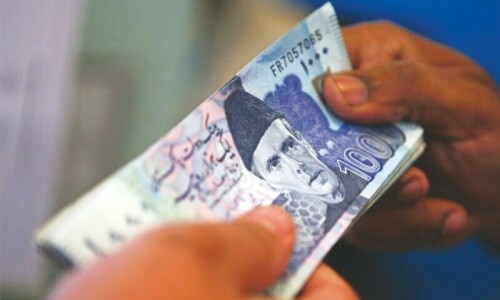
Argentina, Pakistan and Kenya currently top the list of nations that might face a sovereign debt default, according to JPMorgan’s September investor survey.
While the South American economy’s reserves are negative, the Fund has provided Pakistan with a bridge loan — known as a standby agreement — that should help tide the country over until the next general election.
According to Fitch, Pakistan is among three countries that will end up spending 40pc or more of revenues on debt interest payments next year.
At the same time, higher interest rates mean it has been “prohibitively expensive” for single-B sovereigns to tap international bond markets since early 2022, said Gregory Smith, fund manager at London-based M&G Investments.
Egypt might be the most likely country to swerve default, according to the JPMorgan survey.
But international financial institutions and other multilateral development banks are under immense pressure to boost lending to poorer countries to fund development and tackle climate change.
Among their biggest critics is UN chief Antonio Guterres, who has repeatedly called for “sweeping reforms” of the “biased financial systems” to allow low-income countries vulnerable to climate calamities to receive adequate funding from richer nations.
Published in Dawn, October 7th, 2023