Even elites are losing due to ‘untenable’ economic status quo: UK expert

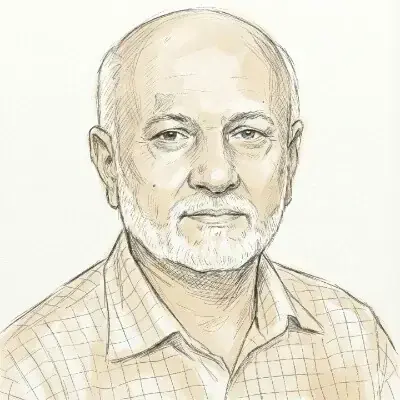
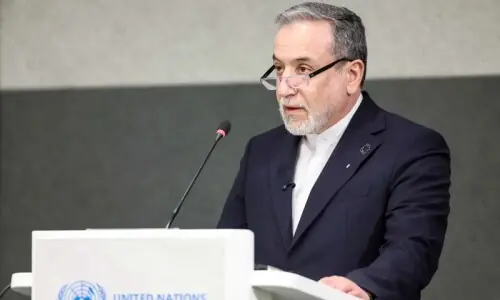
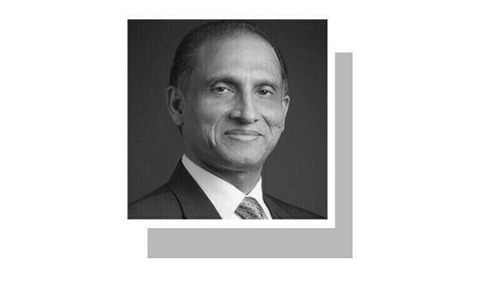
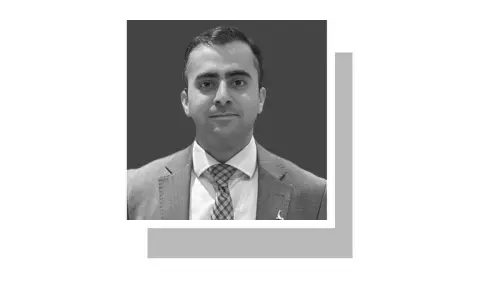
ISLAMABAD: Stefan Dercon, professor of Economic Policy at Oxford University, has said that Pakistan’s economic status quo is ‘untenable’ and even elites are losing because of it.
Talking to journalists on Friday, Prof Dercon expressed his views on the “elite bargain” and Pakistan’s economic policies.
Discussing the economics of elite bargain, he said low tax collection, high subsidies, low savings, and investments are part of the equilibrium. “Too many unreasonable policy measures regularly led to macroeconomic and fiscal crisis and need for outside support.”
He said politics and economic policies needed to be aligned for long-term growth and development.
Calls for sensible macroeconomic policies
Talking about the requisite steps to achieve this objective, he said there were no shortcuts to building common ground among different organs of the state over economy. “Based on shared recognition, the status quo is untenable and hurts Pakistan, and even the elite is losing now.”
According to Prof Dercon, economic policies need to understand political equilibrium. “There should be a set of incentives for the emergence of a better elite bargain for growth and development.”
He emphasised the need for laying the foundation for “sensible” macroeconomic management and called for automation in tax collection and transparent audits instead of political exploitation of cases and simplification of tax codes.
Prof Dercon, a former chief economist for the UK government’s Department for International Development, cited the examples of India, Indonesia and Bangladesh, which managed to turn around their economies despite facing challenges similar to Pakistan.
“Experience teaches that a crisis can be a moment,” he said while referring to the situations in India and Bangladesh in the 1990s, Indonesia in the 1970s and China in 1979. “Pakistan is in crisis now.”
Prof Dercon said that not all countries have perfect institutions and there are governance, political and corruption issues.
“However, there are countries that make progress as they have political systems.”
He said India had surpassed Pakistan in GDP and Bangladesh was focusing on this with its “dramatic and mild progress”.
“[E]ven places like Ghana, with similar GDP, per capita, as Pakistan in 1990 actually look much more like India now, in terms of GDP.”
He suggested a reasonable set of economic policies and focusing attention towards macroeconomic stability.
Later, Prof Dercon, along with British High Commissioner Jane Marriott, met Finance Minister Dr Shamshad Akhtar.
Published in Dawn, September 24rd, 2023