0
0

KARACHI, Feb 6: The World Bank sees tremendous investment and tourism potential in rural Sindh endowed with an extensive irrigation system and rich mineral deposits. Investment flow and tourism would generate the much-needed growth and development in the province, a team of World Bank researchers observed in its initial report.
The team was expected to finalize the report in Sept last year, but for some reasons delayed it till late April this year when it plans to hold a series of seminars and workshops in Karachi and other parts of the province.
Apparently, one of the reasons for the delay in the finalization of the report on Sindh economy was the involvement of the team in assessing and quantifying the damage caused by the October 8 earthquake in Kashmir and the NWFP.
The World Bank’s report on earthquake damage was the reference document for the international donors’ conference held in Islamabad.
Officials in Karachi say the team reviewed the initial draft of its report with Sindh government functionaries at different levels last month and is now giving it final touches.
With a population of 35 million and per capita income of $500, the team points out, Sindh has been a relatively developed province. But the team finds lack of activism and initiative among the main stakeholders which it says: “stands in stark contrast to the potential and opportunities”.
The team points out that the “coalition nature of the government” has caused a political stalemate. Because of the stalemate, the stakeholders find it difficult to focus on developing a strategic vision, action programme and implementation drive. Sindh, the report says, had emerged as leader in the implementation drive for reforms in earlier years.
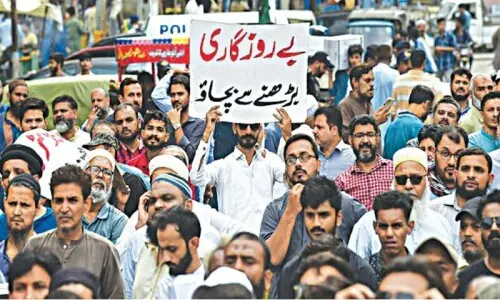
Moreover, lack of attention to business-related issues and sustained bureaucratic inaction have created a perception of severe policy uncertainties and have heightened the level of mistrust between the business community and government institutions. Consequently, the economy has stagnated and the number of people below poverty line has swelled.
The World Bank team noted “a marked decline in the governance standards and quality of public services”.
“It seems that the progressive policymakers, the resilient business community and activist civil societies in Sindh have given up any hope of creating a more prosperous Sindh,” the report says.
In December 2004, the bank carried out a primary survey of the stakeholders and found most of them blaming “poor governance” as the single-most important developmental challenge in Sindh.