ISLAMABAD: A majority of the industrial units in the country have no plan to expand in the coming years mainly due to non-availability of electricity, reveals a report released by Pakistan Institute of Development Economics (PIDE) on Thursday.
“A staggering 83 per cent of the surveyed firms expressed that the unavailability of electricity created hurdles in achieving their production goals, resulting in a detrimental gap between demand and supply for the industry,” says the report issued by the think-tank working under the Planning Commission.
The report titled “Challenges faced by the engineering industry in Pakistan” highlights that electricity was a major issue faced by the manufacturing units in the country and that around 63 per cent firms showed no intent to expand in the coming years. However a small number of entrepreneurs planned to invest in advanced technology, machinery, land and skilled labour to boost their business prospects.
Based on an extensive survey of 328 engineering firms in Lahore, Gujrat and Gujranwala, the report revealed compelling statistics that underscored the critical concerns affecting the industry’s growth and productivity.
One of the major issues outlined in the report was the severe impact of the unavailability of electricity on daily production targets.
The report highlighted that 78 per cent of these firms reported that electricity scarcity hindered their operational efficiency, a crucial factor to achieve economies of scale. It also mentioned that load-shedding and voltage fluctuations further exacerbate challenges by increasing the risk of machinery malfunctions and damage, affecting 68 percent of the firms.
The financial strain of arranging alternate supply, impacted 72 per cent of the surveyed companies, amounting to around Rs71,000 per unit annually. The report underscored the significance of addressing these challenges. It recommended that engineering firms adopted international and national quality standard certifications to maintain quality standards, a move endorsed by 89 per cent of the surveyed firms.
Moreover, the government was urged to focus on enhancing the electricity supply in industrial areas with smaller firms exploring backup power options to ensure uninterrupted operations, a sentiment echoed by 76 per cent of the respondents.
An interesting finding of the report was the lack of online presence among Pakistani engineering enterprises. With a surprising 63 per cent of the surveyed firms lacking any online presence, there was an urgent need for businesses to establish themselves online to reach a wider customer base and enhance engagement.
Another critical issue highlighted in the report was the lack of access to credit for the majority of firms as majority of them lacked adequate collateral to secure loans due to their small size which reduced their marketability to commercial lenders and has resulted in only five per cent of surveyed companies having loans or lines of credit.
A limited access to finance hampered the industry’s growth potential. To address this, the report suggested that financial institutions should introduce special credit schemes for small and medium-sized enterprises to encourage business expansion and development.
The research also explored the complex landscape of international trade for Pakistani engineering firms, revealing obstacles related to tax implications, product quality, branding and pricing. Most notably, a substantial 84 per cent firms sourced their raw materials domestically which emphasised on a need to diversify suppliers and engage with international markets.
The report emphasised the importance of a thriving relationship between businesses and the government for economic prosperity. However, political instability and unfavourable economic policies have led to a lack of trust and dissatisfaction among business owners, impacting productivity and profit margins.
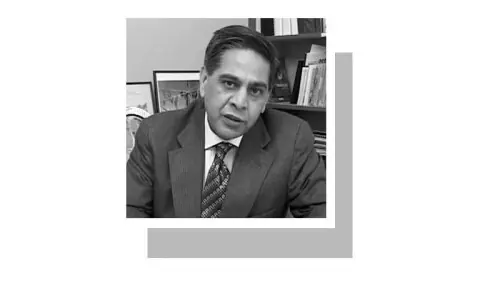
The study that delved into the realities faced by the engineering firms was led by Dr Nadeemul Haque who was assisted by Dr Usman Qadir, Dr Abid Rehman and Mohammad Armughan.
The release of this comprehensive report is a significant contribution to the understanding of Pakistan’s engineering industry. The recommendations provided serve as a roadmap for policymakers, industry stakeholders, and businesses to collaborate and drive positive change in the sector. By addressing the identified challenges, Pakistan can position itself for a brighter industrial future.
Published in Dawn, September 1st, 2023