IT is a time of transition in the subcontinent, as general elections will throw up the next dispensation. Only a few days remain for the Pakistani government’s tenure to end, with caretakers shortly taking over and paving the way for general elections and a new administration. Meanwhile, India goes to the polls next year.
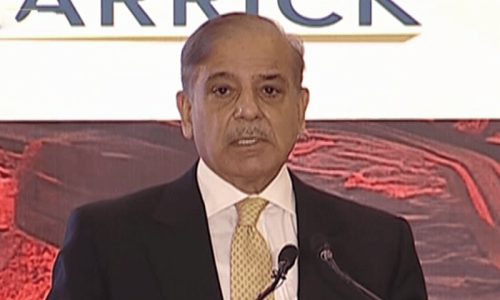
The changing situation presents an opportunity for new administrations in both states to restart the peace process. Prime Minister Shehbaz Sharif set the tone for better ties when, speaking at an event in Islamabad on Tuesday, he said that war was no longer an option with our “neighbour”, a thinly veiled reference to India.
Mr Sharif added that “abnormalities” cannot be removed in the bilateral relationship unless “serious issues are … addressed through peaceful and meaningful discussions”.
With the curtain falling on the PDM government, the next dispensation, whether it consists of old faces or new, should carry forward these “meaningful discussions”, with the hope that it will find a responsive partner in New Delhi.
Bilateral relations have been in deep freeze since India controversially revoked held Kashmir’s special constitutional status four years ago. To be fair, attempts have been made by the outgoing administration to mend ties with India. But the response from our eastern neighbour has been the repetition of the ‘do more’ mantra where militancy is concerned.
This is despite the fact that Indian officials themselves have admitted that cross-border infiltration is down, while the LoC remains largely quiet, especially after the ceasefire was revived in 2021. Therefore, the impression is that the Modi administration is not serious about peace with Pakistan, and wants to burnish its credentials amongst its rabid support base by appearing tough on Islamabad.
But while the Sangh Parivar may dream about ‘Akhand Bharat’ and re-establishing ancient India’s supposed glory through the sword, saner minds across the border have counselled restraint. For example, former Indian army chief retired Gen M.M. Naravane warned against a “two-front war” pitting India against Pakistan and China, while calling for a diplomatic solution to disputes.
The months ahead will show how strong the desire for peace is on both sides. While common friends — the US, European states, the Gulf countries — can help facilitate talks, Pakistan and India will have to do the heavy lifting themselves if they are to achieve a breakthrough.
In Pakistan, the new civilian government, as well as the gentlemen in Rawalpindi, will both need to endorse a fresh peace proposal. Meanwhile in India, whether the BJP returns or the INDIA alliance manages to trounce the Hindu nationalist juggernaut, the new dispensation should respond in earnest to Pakistan’s peace overtures. Once the election dust settles in both countries, back-channel talks can get the ball rolling.
Published in Dawn, August 4th, 2023