KARACHI: The current account posted a surplus for the fourth consecutive month in June, coming in at around $334 million compared to a deficit of $2.32 billion in the same month a year ago, central bank data showed on Tuesday.
The overall deficit for the previous fiscal year shrank 85 per cent to $2.56bn, as the current account shifted from a $3.76bn deficit in the first half to a surplus of over $1.2bn in the second half.
The balance of payments remained the focal point during the previous fiscal year while the government kept struggling to avoid default by getting loans and suppressing even essential imports.
During the previous fiscal year, imports fell more than exports due to restrictions imposed by the State Bank, which was running short of dollars. The country’s trade deficit narrowed by 43pc to $27.59bn last fiscal year. The exports of goods during FY23 stood at $27.9bn compared to $32.49bn a year ago. However, services exports were almost the same at $7.3bn against $7.1bn a year earlier.
June sees surplus of $334m; deficit narrows to $2.56bn in outgoing FY23
Similarly, the imports of goods shrank $51.99bn compared to $71.54bn a year ago. The imports of services fell to $8bn from $13bn.
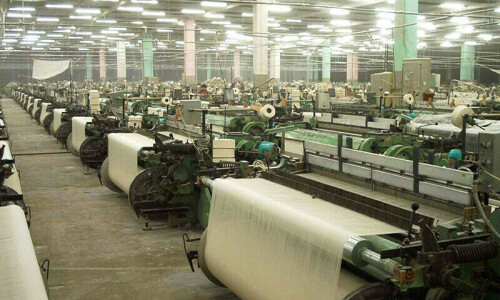
However, the process of bringing down the current account deficit has badly hit the economy due to the comprehensive cuts in imports.
Several industries depending on imported goods, particularly raw materials, posted negative growth.
Even the large-scale manufacturing sector posted a negative growth of 9.4pc during the first 10 months of FY23.
The current account deficit dropped despite no help from the International Monetary Fund and bilateral sources.
However, at the beginning of the new fiscal year, the country succeeded in getting a short-term loan agreement of $3bn approved from the IMF, while Saudi Arabia and the United Arab Emirates also extended $2bn and $1bn, respectively.
Apparently, the pressure of default and poor health of foreign exchange reserves are over for now, which may result in better growth of the economy. The IMF has predicted an economic growth rate of 2.5pc for the current fiscal year.
However, independent economists and analysts fear that the damage to the economy due to a massive fall in imports would make it difficult for the government to hit the growth target.
Published in Dawn, July 19th, 2023