PAKISTAN’S economy faces a severe multidimensional crisis amid a gloomy and uncertain outlook.
A recent State Bank report on the state of the economy during the first half of the present fiscal year admits that macroeconomic fundamentals are deteriorating, but it understates the severity of the painful crisis the country and its people have been contending with for the last one year — just as Finance Minister Ishaq Dar does when he contends the country is not on the verge of a financial crisis and will “absolutely not” default.
To prove his point, he has pointed to the current account surplus of $570m and $18m recorded in March and April, respectively. But he did not say that the government achieved this surplus at the cost of GDP growth, which is forecast to stay flat this fiscal year amid widespread industrial closures and productivity cuts, and tens of thousands of lost jobs.
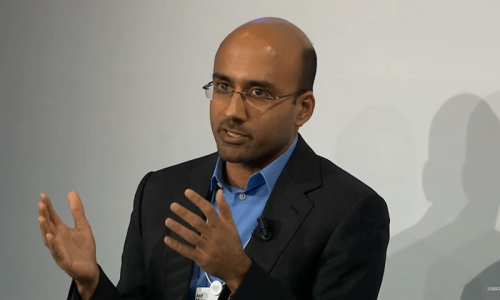
At least the State Bank has been more forthcoming than Mr Dar. The latter’s mismanagement of the economy over the last eight months proves that he is part of the problem. No wonder, Princeton economist Atif Mian has tweeted: “To thump your chest and say, ‘see we have not defaulted’ means nothing if you continue to ignore the underlying crisis.”
The only thing worse than indecisiveness in the face of a crisis is incompetence, he added, warning that cutting GDP to sell cheap petrol “will make it more difficult to pay off the debt, leading to more devaluation, more misery, and higher petrol prices in terms of purchasing power”.
But words of wisdom seldom have a place in a world of bluster. Whether the country’s economic leadership admits to it or not, the reality is that the economy is teetering on the brink. We may have dodged a formal default for now, but the price the country has paid in the form of shutdowns, job losses, the steepest currency devaluation and the fastest consumer inflation, and plummeting business confidence has been massive.
The country must pay billions in debt repayments over the next three years, but its foreign exchange reserves are enough to pay for only a few weeks’ worth of controlled imports. Foreign official and commercial inflows are drying up due to the uncertainty regarding the restoration of the suspended IMF programme and the ongoing political strife.
The situation has come to a point where any step taken to stabilise the economy actually exacerbates the crisis. For example, administrative curbs to improve the external account and increased interest rates to address currency devaluation and inflation are threatening to further destabilise the high-deficit budget. The people should brace themselves for more misery as the government doesn’t have a credible plan to deal with the crisis.
Published in Dawn, May 29th, 2023