0
0

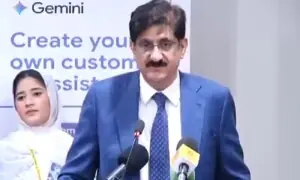
NO bilateral breakthroughs were expected between Pakistan and India at the SCO foreign ministers’ conclave in Goa, and none occurred. Foreign Minister Bilawal Bhutto-Zardari did the right thing by attending the multilateral moot in India, signalling that Pakistan is very much interested in interacting with states in its larger neighbourhood, and frustrating plans by certain actors to isolate this country.
It was highly unlikely that both Pakistan and India would give up their respective positions on key bilateral issues, particularly Kashmir, but more optimistic observers were hoping that personal interactions between both states’ top diplomats would at least break the ice and pave the way for dialogue. That did not turn out to be the case.
The SCO is not supposed to be an organisation to bring up members’ bilateral disputes. That is why Indian External Affairs Minister S. Jaishankar’s remarks at the forum about the need to contain “cross-border terrorism” — a very thinly veiled reference to Pakistan — ensured that no bilateral encounters occurred on the sidelines of the event.
Mr Bhutto-Zardari met a number of his other SCO counterparts bilaterally, but not Mr Jaishankar. The foreign minister also was correct in reiterating the fact that terrorism should not be weaponised for “diplomatic point-scoring”.
Aside from the official speech, the Indian foreign minister’s comments to the media regarding Pakistan and its top diplomat were also in poor taste. It appeared as if Mr Jaishankar was speaking as the spokesman for the BJP instead of the Indian government. The fact is both sides, particularly India, should have taken advantage of the situation; instead, yet another opportunity to mend ties was lost.
The Indian political establishment keeps harping on Pakistan’s alleged role in promoting militancy, but the fact is that Indian officials themselves admit that infiltration across the LoC has decreased. On Pakistan’s part, there is a realisation that the establishment’s past policies concerning the support for militant actors in India-held Kashmir damaged Pakistan’s position internationally, and hurt the Kashmir cause.
It gave India the perfect excuse to raise the bogey of terrorism at multilateral fora to isolate Pakistan — and to crack down brutally on Kashmiris in the occupied area, eventually snatching from them whatever little autonomy they had.
The experience should prompt decision-makers in Pakistan to adopt a wiser, more pragmatic diplomatic course to make a strong case for Kashmiri rights internationally. Meanwhile, if both sides want to truly transcend the toxic relationship of the past seven decades, they must come to the negotiating table without stringent preconditions.
By implementing the ‘softer’ confidence-building measures, a more conducive atmosphere for dialogue can be created. The SCO leaders’ summit is due to be held in India in July. Hopefully, some concrete steps to promote bilateral peace can be taken at that event.
Published in Dawn, May 7th, 2023