0
0

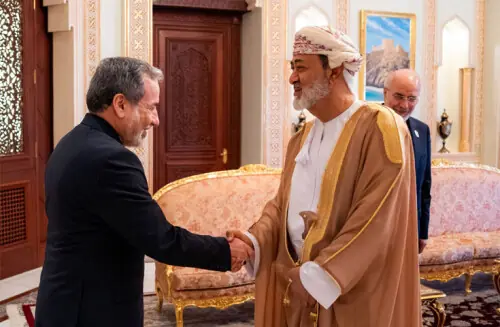
BEIRUT: Saudi Arabia and Iran will open embassies in each other’s capitals “within days,” Iranian Foreign Minister Hossein Amirabdollahian said on Friday, as the relationship between the two regional rivals warms up after years of hostility.
Speaking at a news conference in the Lebanese capital Beirut, Amirabdollahian did not give specific dates for the reopening of the embassies. The countries agreed to restore relations in March.
The Iranian and Saudi embassies in the respective countries have been closed since 2016. The relationship started deteriorating in 2015 following the intervention of Saudi Arabia and the UAE in the Yemen war, after the Iran-aligned Houthi movement toppled the Saudi-backed government and seized control of the capital Sanaa.
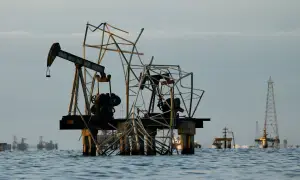
Saudi Arabia accused Iran of providing weapons to the Houthis who attacked Saudi cities with armed drones and ballistic missiles. In 2019, Riyadh accused Tehran of being responsible for an attack targeting Aramco oil facilities, which resulted in stopping half of its oil production. Iran denied those accusations.
The tension between the two regional rivals has fueled conflicts across the region, including the Syrian civil war.
Iran and Saudi Arabia agreed last month to end their diplomatic raw and restore diplomatic missions under a deal brokered by China.
“During the last phone call between the foreign ministers of Iran and Saudi Arabia on Eidul Fitr, we agreed to work in the next coming days on the reopening of the Iranian and Saudi embassies in Tehran and Riyadh,” Amirabdollahian said, according to the official Arabic translation.
Amirabdollahian was speaking at the end of his visit to Lebanon in which he met with Lebanese officials including Hezbollah leader Sayyed Hassan Nasrallah.
When asked about a visit by Iranian President Ebrahim Raisi to Damascus, Amirabdollahian confirmed it, saying there was a “programme” put in place for “the near future” without indicating a specific timeframe.
The visit will be the first by an Iranian president to Syrian President Bashar al-Assad since war broke out in Syria in 2011. With military help and economic support from both Iran and Russia, Assad was able to turn the tide of the conflict and regain control of most of his country.
Published in Dawn, April 29th, 2023