Germany ends nuclear era as last reactors switched off



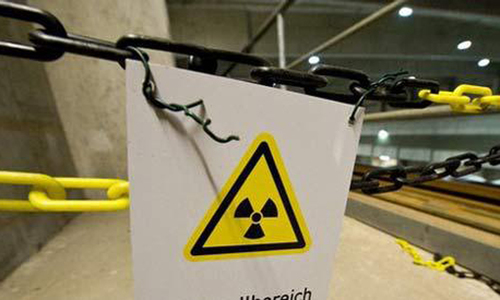
BERLIN: Germany switched off its last three nuclear reactors on Saturday, exiting atomic power even as it seeks to wean itself off fossil fuels and manage an energy crisis caused by the war in Ukraine.
While many Western countries are upping their investments in atomic energy to reduce their emissions, Germany is bringing an early end to its nuclear age.
Europe’s largest economy has been looking to leave behind nuclear power since 2002, but the phase-out was accelerated by former chancellor Angela Merkel in 2011 after the Fukushima nuclear disaster in Japan.
The exit decision was popular in a country with a powerful anti-nuclear movement, stoked by lingering fears of a Cold War conflict and atomic disasters such as Chernobyl in Ukraine.
“The risks of nuclear power are ultimately unmanageable,” said Environment Minister Steffi Lemke, who this week made a pilgrimage to the ill-fated Japanese plant ahead of a G7 meeting in the country.
But the challenge caused by Russia’s invasion of Ukraine, which put an end to cheap gas imports, and the need to quickly cut emissions has upped calls in Germany to delay the withdrawal from nuclear power.
Greenpeace, at the heart of the anti-nuclear movement, organised a celebratory party at the Brandenburg Gate in Berlin to mark the occasion.
“Finally, nuclear energy belongs to history! Let’s make this April 15 a day to remember,” the organisation said. In contrast, the conservative daily FAZ headlined its Saturday edition “Thanks, nuclear energy,” as it listed the benefits it said nuclear had brought the country over the years.
Initially planned for the end of 2022, Germany’s nuclear exit had already been pushed back once. As Russian gas supplies dwindled last year, officials in Berlin were left scrambling to find a way to keep the lights on, with a short extension agreed until mid-April.
Germany, the largest emitter in the European Union, also powered up some of its mothballed coal-fuelled plants to cover the potential gap left by gas.
The challenging energy situation had increased calls domestically for the exit from nuclear to be delayed. Germany had to “expand the supply of energy and not restrict it any further” in light of potential shortages and high prices, the president of the German chambers of commerce Peter Adrian told the Rheinische Post daily.
The conservative leader of Bavaria Markus Soeder meanwhile told the Focus Online website that he wanted the plants to stay online and three more to be kept “in reserve”.
Outside observers have been similarly irked by Germany’s insistence on exiting nuclear while ramping up its coal usage, with climate activist Greta Thunberg in October slamming the move as “a mistake”.
At the Isar 2 complex in Bavaria, technicians will progressively shut down the reactor from 10pm on Saturday, severing it from the grid for good.
Published in Dawn, April 16th, 2023