0
0

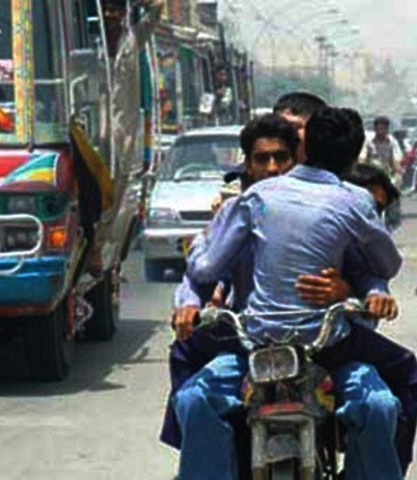
PAKISTAN is struggling to keep pace with the times. With a crumbling economy, surging inflation and rampant poverty, the nation faces an uphill battle on multiple fronts. But amidst all these challenges, one issue has remained largely unnoticed; the exorbitant cost of the dreaded daily commute.
The average Pakistani is caught in a vicious cycle of spending almost 40 per cent of the monthly income on commuting; a luxury that many cannot afford. It is not just about weekend getaways or leisure activities. We are talking here about the daily grind of getting to work or running errands. The roads are narrow, traffic is congested, and the pollution levels are just off the charts, making it a nightmare for the common man.
The situation is alarming, to say the least. Pakistan is home to five cities that rank among the top 10 most polluted cities in the world, according to the 2020 World Air Quality Report by IQAir. Lahore, Faisalabad, Gujranwala, Rawalpindi and Karachi are all on the list, and it is a crisis that must be addressed with a sense of urgency.
Excessive car ownership has often been blamed for the worsening quality of air in our cities. But the real shocker is that only nine per cent of households in the country actually own a car. The number is shockingly low, and it is high time we dispelled the myth that personal transportation is the root cause of the problem. As it turns out, the problem lies not in the number of cars on the road, but in the faulty public policy and bad governance that have failed to address the issue of congestion effectively.
Countries like the United States and Canada have a much higher proportion of households with personal cars compared to Pakistan. According to the World Bank, in 2020, approximately 92pc households in the US had a personal car, while in Canada, the number was more than 80pc. However, it is important to note that the situation in terms of roads and pollution in these countries is vastly different from what we see in Pakistan.
The potential consequences of a significant increase in car ownership in Pakistan are dire. If the current figure of 9pc were to rise to, say, 20pc, it would undoubtedly lead to a severe strain on our roads and leave little space for movement, let alone breathing.
Pakistan is a country that is no stranger to road construction projects. I am all for progress, but I cannot help but wonder why we were investing so much money into these projects when times are tough and only 9pc of the privileged population stands to benefit.
It is no secret that roads and infrastructure are crucial to a country’s growth and success, but one has to assess the overall cost of such projects. With so many people struggling to make ends meet, it is hard to justify pouring so much money into motorways that only a privileged few will get to enjoy. We need to start asking ourselves if this is really the best use of our resources.
However, we cannot underestimate the importance of public transportation, as it holds the key to reducing pollution, decreasing traffic congestion, and benefiting the maximum number of people. Several countries are widely recognised for their well-developed transportation systems, including Japan, Germany, Switzerland, Singapore and the Netherlands. The countries with excellent public transportation are also among the least polluted in the world. The link between the two is unmistakable.
Investing in public transportation will not only reduce commuting costs for the common man, it will also decrease the fuel bill of the country. There is a growing trend of carpooling in Pakistan, indicating an immediate need for better transportation resources that may benefit everyone, not just the privileged few.
It is time to wake up and take action before it is too late. Let us prioritise resource allocation towards creating a better future for all Pakistanis.
We owe it to ourselves and, indeed, to our future generations to build a better tomorrow. And, the time to act is now.
Syed Muhamamd Farhan Zahid
Islamabad
Published in Dawn, April 14th, 2023