India rejects China’s renaming of places along disputed border


 0
0


India rejected on Tuesday the renaming by China of places in what India regards as its eastern state of Arunachal Pradesh, which China claims as part of its territory.
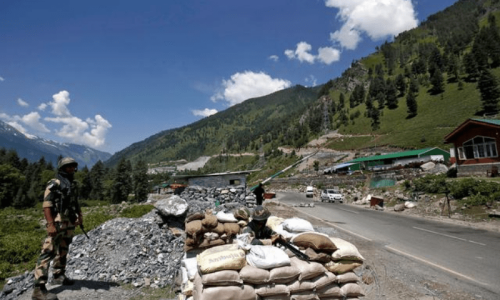
China and India fought a war along parts of their poorly demarcated 3,800-km (2,360-mile) frontier in 1962 and clashes in mountainous regions in recent years have seriously strained relations between the nuclear-armed neighbours.
The latest angry exchange of words was triggered on Sunday when China’s Ministry of Civil Affairs issued a statement in which it said it had “standardised” the names of 11 places, including five mountains, in what China calls its southern Tibet region.
The statement included a map that showed the 11 places renamed by China as being within “Zangnan”, or southern Tibet in Chinese, with Arunachal Pradesh included in southern Tibet and China’s border with India demarcated as just north of the Brahmaputra river.
India rejected that.
“Arunachal Pradesh is, has been and will always be an integral and inalienable part of India,” Indian foreign ministry spokesperson Arindam Bagchi said on Twitter.
But a spokesperson at the Chinese foreign ministry said the name changes were “completely within the scope of China’s sovereignty”.
“The southern Tibet region is Chinese territory,” the spokesperson, Mao Ning, told a regular media briefing in Beijing on Tuesday.
At least 24 soldiers were killed when the two sides clashed in the Ladakh region, on the western part of their border, in 2020 but the situation calmed down after diplomatic and military talks.
In December last year, troops from the two sides engaged in scuffles in the Tawang sector of Arunachal Pradesh.
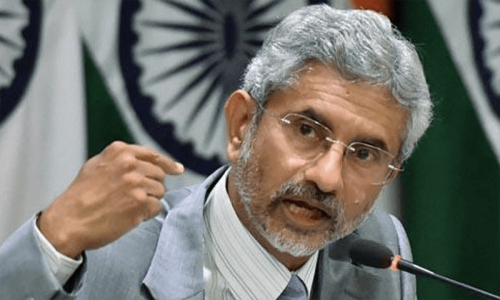
Indian Foreign Minister S Jaishankar said last month the situation in Ladakh was fragile and dangerous, with military forces deployed very close to each other in some places.