Founder of Afghan girls’ school project arrested in Kabul: UN


 0
0


The founder of a project that campaigned for girls’ education in Afghanistan has been detained by Taliban authorities in Kabul, his brother and the United Nations said Tuesday.
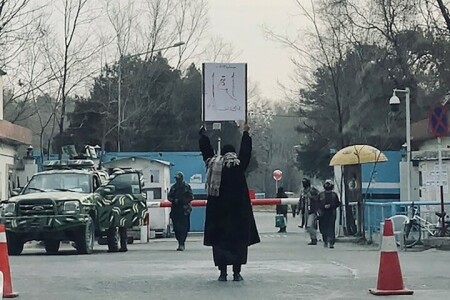
The Taliban government last year barred girls from attending secondary school, making Afghanistan the only country in the world where there is a ban on education.
“Matiullah Wesa, head of PenPath and advocate for girls’ education, was arrested in Kabul Monday,” the UN mission in Afghanistan tweeted.
Wesa’s brother confirmed his arrest, saying he was picked up outside a mosque after prayers on Monday evening.
“Matiullah had finished his prayers and came out of the mosque when he was stopped by some men in two vehicles,” Samiullah Wesa told AFP. “When Matiullah asked for their identity cards, they beat him and forcefully took him away.”
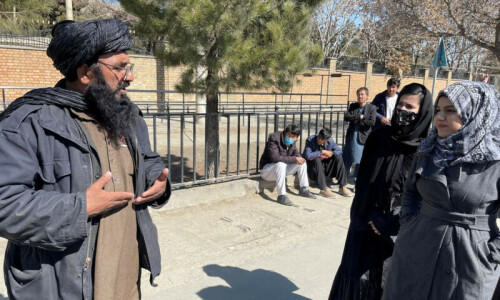
The organisation Matiullah founded — which campaigns for schools and distributes books in rural areas — has long dedicated itself to communicating the importance of girls’ education to village elders.
Since the ban on secondary schools for girls, Wesa has continued visiting remote areas to drum up support from locals.
“We are counting hours, mins and seconds for the opening of girls’ schools. The damage that closure of schools causes is irreversible and undeniable,” he tweeted last week as the new school year started in Afghanistan.
“We held meetings with locals and we will continue our protest if the schools remain closed.”
The Taliban have imposed an austere interpretation of Islam since storming back to power in August 2021 after the withdrawal of US and NATO forces that backed the previous governments.
Taliban leaders — who have also banned women from university — have repeatedly claimed they will reopen schools for girls once certain conditions have been met.
They say they lack the funds and time to remodel the syllabus along Islamic lines.
Taliban authorities made similar assurances during their first stint in power — from 1996 to 2001 — but girls’ schools never opened in five years.
The order against girls’ education is believed to have been made by Afghanistan’s supreme leader Hibatullah Akhundzada and his ultra-conservative aides, who are deeply sceptical of modern education — especially for women.
As well as sparking international outrage, it has stirred criticism from within the movement, with some senior officials in the Kabul government as well as many rank-and-file members against the decision.
In deeply conservative and patriarchal Afghanistan, attitudes to girls’ education have been slowly changing in rural areas, where the advantages are being recognised.