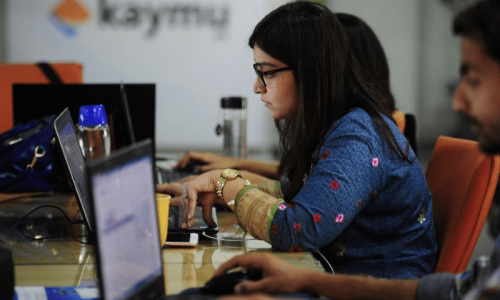
UNITED NATIONS: Pakistan called for greater female enrollment in science and technology as the largest UN gathering on gender equality completed its proceedings on Saturday.
The 2023 Commission on the Status of Women (CSW) successfully wrapped up on Saturday, with member states calling for a full and equal participation of women and girls in the development of digital technologies.
The week-long gathering, held at the UN headquarters in New York, also released a “blueprint for all stakeholders,” reminding both public and private sectors that denying technical education to women was also a violation of their basic rights.
Nilofar Bakhtiar, chairperson of the National Commission on the Status of Women, represented Pakistan at this gathering.
“There is an urgent need to raise awareness for greater female enrollment in Science, Technology, Engineering and Mathematics (STEM)-related studies and removal of existing gender biases in curricula and parental preferences,” she told a panel of experts.
Largest UN gathering on gender equality concludes
The 67th session, which ran from March 6 to 17, focused on the theme ‘Innovation and technological change, and education in the digital age for achieving gender equality and the empowerment of all women and girls’.
Speakers also highlighted the impact of the Covid-19 pandemic on young women. In 2021, it was estimated that 11 million girls would never return to schools, adding to the staggering 130m girls who were already out of school before the pandemic.
Speaking at the conclusion of the negotiations, UN Women Executive Director Sima Bahous said: “It is our job, as we leave here today, to translate (the blueprint) into reality. The ultimate success of these agreed conclusions lies in how we will collectively take them forward. Let us translate them into reality for all women and girls.”
The document reaffirmed the importance of women and girls’ full participation and leadership in science, technology and innovation and condemned the interrelation between offline and online violence, harassment, and discrimination against women and girls.
The document called for significantly increased public and private sector investments to bridge the gender digital divide, more inclusive innovation ecosystems, and the promotion of safe and gender-responsive technology and innovation.
It also underlined the need for inclusive and equitable quality education in communications technology, and digital literacy for all.
For the first time, the commission included an interactive youth session with young people engaging in dialogue and providing recommendations on how to ensure young women and girls are part of the digital transformation.
Ms Bakhtiar said that alarming numbers of out-of-school girls “demand transformative actions by the international community,” She also urged governments, businesses, and social media companies to promote digital safety and security to prevent harassment online.
Published in Dawn, March 19th, 2023