0
0

ISLAMABAD: Pakistani women of reproductive age (WRA) (15-49 years) bear the triple burden of malnutrition, anaemia and complications of early marriages.
This was highlighted during a session aimed to sensitise journalists about the challenges of malnutrition in Pakistan. The event was organised by Nutrition International on Tuesday.
They were told that almost 42pc women suffer from anaemia. However, over half (54pc) of the country’s adolescent girls (10-19 years bracket) were anaemic. High rates of malnutrition among WRA as well as adolescent girls, coupled with underlying complications of early marriages, closely spaced pregnancies, and maternal malnutrition lead to a vicious cycle of high morbidity and mortality with adverse maternal and child health outcomes.
Nutrition International, in collaboration with federal and provincial govts, during the past five years reached out to 155,000 pregnant women and provided Iron Folic Acid Supplementation (IFAs) and 800,000 people were counselled with maternal and child nutrition and health, and infant and childcare.
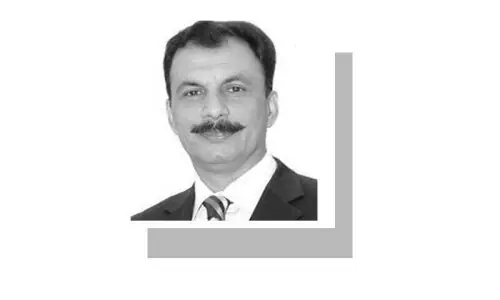
Speaking to participants, senior advocacy advisor at Nutrition International and chair of the Global SUN Civil Society Network Dr Irshad Danish said that nutrition played a crucial role in economic and human development.
He emphasised that every woman and girl had the inherent right to good nutrition, which was essential for achieving gender equality and development. To address the malnutrition crisis, he called for urgent action to generate and analyse data for planning, scale up nutrition services in flood-affected areas, strengthening of nutrition governance and multi-sectoral coordination, and increase in public financing for nutrition.
Dr Danish emphasised on the need for collective and targeted action to ensure that women and girls thrived and contributed to their communities’ and nations’ development.
“Media can play a massive role in raising public awareness of nutrition and healthy diets, as well as advocating for nutrition to remain a top priority on the political agenda and ensure the right policies, adequate budgetary allocations and governance structures,” he said.
Acting country director (Nutrition International Pakistan) Shehzad Afzal said: “Adequate nutrition is a fundamental cornerstone of any individual’s health but especially critical for women. Improving women’s health and nutrition promotes gender equality and empowerment but is also critical to achieve the Sustainable Development Goals (SDGs).
Women and girls can have better opportunities to earn, learn, grow, and lead when they have adequate nutrition. Addressing maternal nutrition is one of our key priority areas, by 2030, Nutrition International aims to transform the lives of 1 billion people – especially women, adolescent girls, and children – by improving their nutritional status, he said.
Published in Dawn, March 15th, 2023