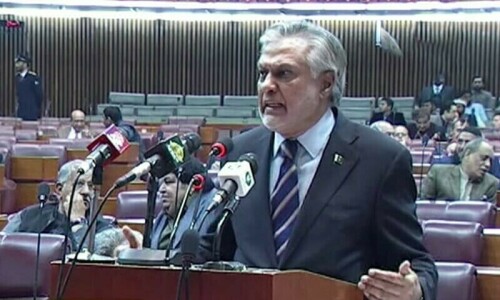
THE inevitable came to pass yesterday when Finance Minister Ishaq Dar introduced additional tax measures in order to generate Rs170bn over the remainder of the current fiscal, ahead of the resumption of bailout talks with the IMF.
The revenue to be generated, once parliament approves the bill, is supposed to help ‘balance’ this year’s budget by holding down the deficit to targeted levels and to take us a step closer to the final deal with the IMF.
Considering the limited time and options, some would argue that the government has done well. The bulk of the cash will be generated from the increase in the standard rate of consumption tax from 17pc to 18pc and the imposition of excise duty on the tobacco industry, air tickets and sugary beverages.
The rest will come from other measures, such as adjustable advance tax on wedding hall bills.
Threatened by default, the coalition had little choice but to expedite its ‘prior actions’ to meet the Fund’s demands and secure the bailout programme, which will also unblock other multilateral and bilateral inflows. But their continued dependence on indirect taxes for revenue mobilisation underscores successive governments’ penchant for taking the easy route because of the reluctance to tax the rich and mighty and expand the net even when an opportunity such as this presents itself.
The imposition of taxes on retailers, large farmers, real estate transactions, etc, may not have yielded immediate tax gains, but it certainly would have been a major step towards correcting the flawed tax structure and reducing reliance on indirect taxation, which hurts the low-middle-income households the most.
Most additional tax measures will escalate the pace of monthly consumer price inflation, which has already surged to its 48-year high of 27.6pc, and bring low-income families further under pressure.
Food prices are going up — much beyond the reach of the average Pakistani — and many expect poverty and hunger to increase.
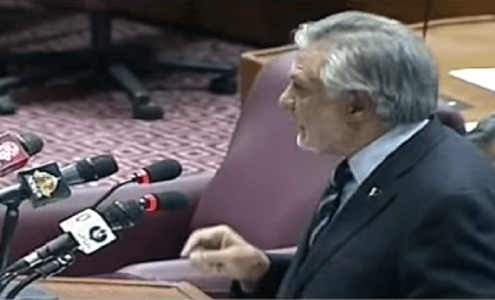
In his speech in the National Assembly, Mr Dar admitted that the measures being taken by his government to fix the economy by controlling fiscal and current account deficits are going to be very painful for most people in the country, but claimed that these measures would ensure price stability and raise (personal) incomes.
That’s a rhetorical statement that we regularly hear from each finance minister as they heap more misery on the common people through their tax and other policies.
The new taxes may offer a temporary solution to the fiscal woes of the government, just like the IMF deal will bring short-term respite on the external front. But these are not likely to address the larger flaws of an ailing economy.
The government must dig deeper and go beyond its routine of balancing the budget through temporary fixes.
Published in Dawn, February 16th, 2023