PAKISTAN has a long history of political instability marked by frequent changes in the government. The ongoing power struggle among political parties and factions is continuing to add to the nation’s woes. In recent years, this instability has been exacerbated by the rise of religious extremist groups and tensions with neighbouring countries, particularly India and Afghanistan.
While there are many factors contributing to this instability, one key factor is the lack of political pluralism, which refers to the presence of a variety of competing political parties and interest groups within society, each representing different viewpoints and agendas. The issue is not diversity of opinions, but the rigidity of attitude.
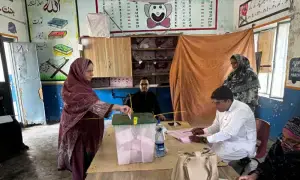
Pluralism is actually seen as a key component of stable democracy, as it allows for a range of voices and perspectives to be heard and for power to be shared among different groups. However, in Pakistan, political pluralism is limited, with a small number of powerful parties dominating the political landscape and often suppressing the voices of smaller parties and marginalised groups.
One reason for the lack of political pluralism in Pakistan is the concentration of wealth and power in the hands of a small elitist group. Many of the major political parties are controlled by wealthy families or business interests that use their financial resources to influence elections and policy decisions. This creates a barrier for smaller parties and marginalised groups to gain representation and influence, leading to a lack of political pluralism.
Another factor contributing to the lack of political pluralism is the role of the military in politics. The military has historically played a significant role in national politics, with several coups having taken place in the past. This has created a culture of political instability and a lack of trust in the civilian process, as the military is seen as a more stable and reliable institution.
As a result, political parties have become more focussed on courting military support than on representing the interests of their constituents, further limiting political pluralism.
The lack of pluralism has contributed to the ongoing political instability and has made it difficult for the country to have a stable democracy. Without a range of competing parties and perspectives, it is difficult for the government to be fully aware of the needs and concerns of all citizens.
In order to address the issue, it is important for Pakistan to promote greater political inclusion and diversity, allowing for a more representative and stable system of governance. This may include measures, such as campaign financing reforms, efforts to increase participation by marginalised groups, and steps to reduce the influence of the military in politics. By taking these steps, Pakistan can move towards greater political pluralism and stability.
Muhammad Zaheer Ul Haque
Astore
Published in Dawn, January 16th, 2023