Inflation-hit people prefer bike-hailing services to cabs in Islamabad and Rawalpindi



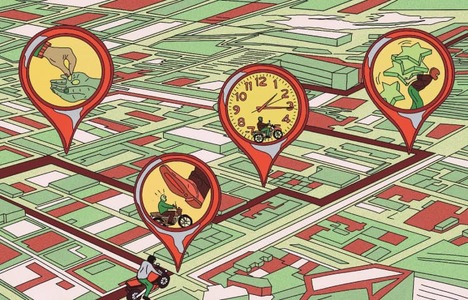
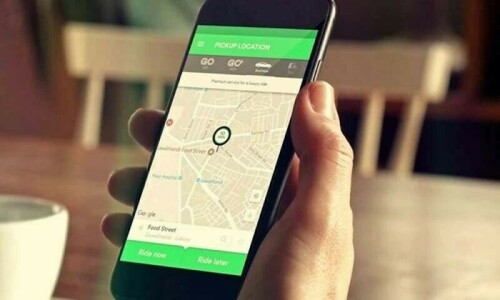
ISLAMABAD: As a result of the unprecedented increase in fuel prices and back-breaking inflation, people in Islamabad and Rawalpindi have started to rely on bike services, such as Bykea and Indrive, for their daily commute instead of cars and taxicabs.
Bykea, a transport company that started off by using bikes as a mode of transportation, has become one of the most popular ride-hailing platforms in the twin cities. One can see bike riders wearing green ‘Bykea’ helmets outside metro stations, commercial centres and major intersections in the twin cities, causing significant dents in the business of taxicabs.
Some cab drivers are unhappy with this ‘mushroom growth’ of bikes.
A taxi driver said people prefer bikes over taxicabs because the former is less expensive.
He said before bike-hailing services, he used to earn a good amount on a daily basis to meet his family’s expenses, but now he could hardly find passengers.
Some people use these bike services on a monthly basis to get to their workplaces, universities and schools. These services are also availed by women, a relatively new phenomenon, to reach their destinations.
Regulation need of the hour amid rise in‘unregistered’ riders
Nighat Bibi, who hailed a bike in G-9 Markaz, said she came to Markaz from G-12 to buy clothes for her school-going children. According to Ms Bibi, even though it “feels odd to sit behind a stranger on a bike, I do it since I cannot afford cabs” amid this inflation.
Some of the domestic workers, who live in the Mehrabad settlement near Sector F-11, said they also rely on bikes to reach their workplaces, calling it a “blessing”.
The rise of these bike-hailing services has provided employment opportunities to hundreds of people who are now earning more than minimum wage by working for these services.
“We opted for this service because people accepted it,” said a motorcycle rider, Aslam Khan. He said the average per day income of a rider was Rs2,000. “But sometimes, we earn Rs2,500 during a day,” he added.
Abdul Latif, who moonlights for one of these services, said his daily income varied from Rs1,000 to Rs1,500.
Regulation and unregistered bikes
Although these bikes are providing a cheaper mode of transportation to the working class, they are becoming a “severe traffic hazard” due to constant violations of traffic rules. On many occasions, these bike riders were observed plying on fast lanes on major arteries, putting at risk their lives along with their passengers and other commuters.
Due to the popularity of the service, many bike riders have started to offer ride-hailing services without registering with the relevant companies. Some of these ‘unregistered’ bike riders have been involved in criminal activities as well.
The Rawalpindi Police reportedly busted a gang of “unregistered Bykea riders” involved in street crimes and recovered some 20 motorcycles from their possession which were stolen from different cities across Punjab.
When contacted, a senior official of Bykea said the company had lodged complaints with the relevant local administrations and the police regarding the mushroom growth of “unregistered riders” impersonating official riders. The official said despite their complaints and intimations, the number of unregistered riders was on the rise.
Although the emergence of bike-hailing services and subsequent rise in unregistered bike riders is a new phenomenon for the police and the local administration, it is a need of the hour that the government and the local administration come up with some basic regulations to turn this “huge force of unregistered” riders into responsible motorbike service providers.
Published in Dawn, December 19th, 2022