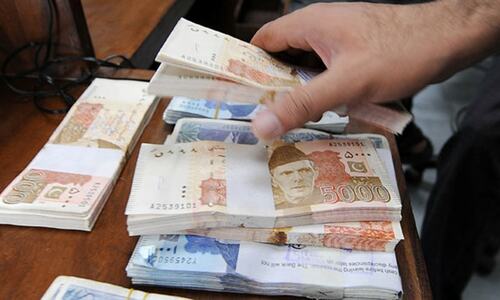
KARACHI: Banks’ lending to private sector nosedived as it fell 16 times during the first five months of 2022-23 as compared to the same period last year.
Prevailing political instability, rising inflation and a record high interest rate is understood to have put the cork on the flow of liquidity towards the private sector.
Lending to this sector — which in most economies is considered the main driving force behind the economic activities — during the July-Nov period this year remained just Rs27.5bn against Rs470bn in the five months of the previous fiscal.
Bankers believe that lending during this time of growing inflation and in the face of high interest rate could be devastating for their institutions since the default rate could go much higher and could put the financial sector in trouble.
Analysts expect forex reserves to rise significantly by next month
They fear that policymakers could go for further increase in the interest rate, since they apparently consider it is the only tool available to them to control the bullish inflationary pressure. However, they seem to be oblivious to the fact that such a policy has not yet worked in Pakistan despite very low lending to the private sector.
The State Bank has increased the policy rate by 100 basis points to 16 per cent which slowed down the borrowing by the private sector and consequently further depressed the growth.
As if it was not enough, JP Morgan in an analysis it made two days ago said that Pakistan needs to increase the interest rate by 400 basis points by the end of the fiscal year FY23 to calm down the inflationary pressure.
“Many businesses are concerned at the JP Morgan’s report that domestic interest rate may reach 20pc [from the existing 16pc],” said Faisal Mamsa, CEO of Tresmark, a terminal that tracks live prices of financial markets.
Analysts were of the view that the recent hike introduced by the central bank in the interest rate had been done at the behest of lenders and does not translate into a trend, he said. They also mentioned that any rate hikes would be in response to how Fed Reserves of United States steers its dot plot.
“An anticipated slowdown in raising rates by Fed will make our regulators less hawkish, especially if they are able to control the external deficit and inflation issue,” Mr Mamsa said.
Tresmark estimates the country’s reserves will dip below the $6bn mark next week.
On a positive side, the terminal also estimates that arrangements being made by the government to improve the situation will materialise in the wake of change of command in the military leadership that took place late last month.
“The government estimates to receive $1.2bn from Chinese commercial banks, $3bn from Saudi Arabia, around $2.5bn from China, $1bn from UAE and around $1.5bn from developmental lenders, including World Bank,” said Mr Mamsa, adding that this does not include any IMF tranche or the deferred oil facility.
“This should take the SBP-held reserves to around $12bn by next month,” said Mr Mamsa.
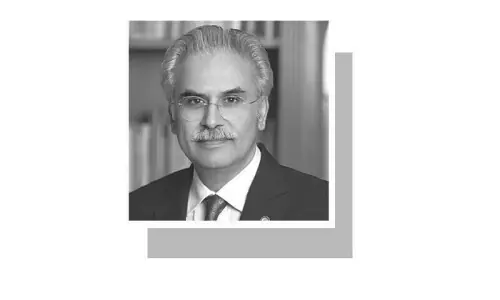
SBP Governor Jameel Ahmed recently said that the country would receive most of the inflows in the second half of the current fiscal year. It may be mentioned that only $4bn inflows have been received in the first half of the fiscal so far.
Panic among investors
Bankers said that a number of domestic investors and traders are trying to move out of the country after disposing of their assets.
“The fear of default was minimised by the State Bank with providing the possible inflows’ data and rollover expectations but the continuing political uncertainty is proving to be nerve-breaking for many fearful investors and businessmen,” said a senior banker.
He said the US dollar had touched the Rs255 mark in the Hundi and Hawala market which indicates that the demand for greenback is very high.
“Unless and until the government comes out with a long-term programme showing strong commitment to domestic growth and assurance for no external default, many local businesses will be closed and they may leave the country,” apprehended the banker.
Published in Dawn, December 11th, 2022