Iran closes Taftan border after Zahedan clashes

Published
4

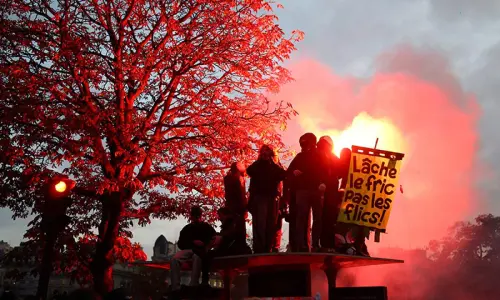
TAFTAN: The Iranian authorities closed the border with Pakistan at Taftan after clashes between the protesters and security forces in Zahedan, the capital city of Sistan-Baluchestan.

According to sources in the Federal Investigation Agency (FIA), the immigration and transit gate for trade and tax-free-trade gate, Zero Point, remained closed from the Iranian side.

But 780 people awaiting on the Iranian side were allowed return immigration clearance, they added.

The FIA sources said that no formal intimation was conveyed to them about the closure of the border.

A Levies Force officer told Dawn that the Iranian authorities late Friday night verbally informed the local administration about closure of the border, but no time frame was given in this regard.

The border areas might face shortage of Iranian oil and edible commodities if the prevailing situation continued in Zahe­dan, a resident of Dalbandin Ali Mohammad expressed concerns while talking to Dawn.

Published in Dawn, October 2nd, 2022
Editorial

Blue wave
Updated 05 Nov, 2026

Blue wave

While Trump does not usually learn from his errors, perhaps seeing the response of the American voters he may attempt a wiser course.
New LPG policy
Updated 05 Nov, 2026

New LPG policy

If the policy is enforced effectively, it could potentially help end shortages and slash prices. But the question remains whether it will.
Polio’s other victims
05 Nov, 2026

Polio’s other victims

FOR decades, Pakistan has vowed to eradicate polio. Billions have been spent on logistics and awareness drives. Yet...
Electoral reform
Updated 04 Nov, 2026

Electoral reform

The real problem is the gulf between the statute book and what happens on polling day, not the laws.
Competing demands
04 Nov, 2026

Competing demands

THE climate crisis is becoming harder to confront as the world develops new ways to consume scarce resources. At an...
Belated meeting
Updated 04 Nov, 2026

Belated meeting

Whether it is Imran Khan, his family members, or other incarcerated political leaders and activists, the state should not deny them their rights.