

IN June, the Ministry of Climate Change had forecast unusual rains due to change in climatic patterns. Disaster management stakeholders were asked to get prepared in this regard, but no one at the helm of affairs apparently paid heed.
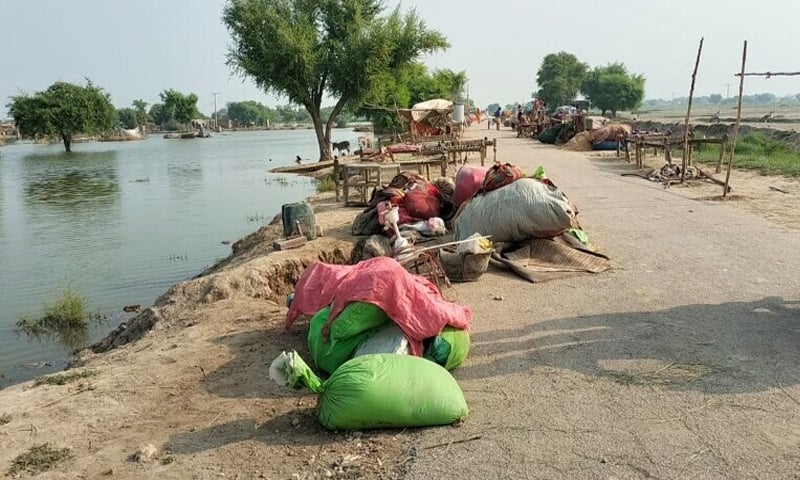
In August, it rained heavily and continuously. The country witnessed a total of eight spells of rain, which led to mass destruction. Drainage system in urban areas exposed the lack of preparedness on the part of the relevant authorities. Low-lying areas have been inundated for weeks. The same goes for rural areas. Floods disconnected many rural areas from nearby towns and cities, adding to the burden of rescue and relief services.
Sindh was affected the most due to the monsoon rains and subsequent flash floods. The southern parts of Sindh were affected due to the Left Bank Outfall Drain (LBOD) project, which has been in the cold storage for long.
The western districts along the Kirthar range continue to remain inundated. Floodwaters from Balochistan, Kirthar range and Hamal Lake caused severe and widespread destruction. This was mainly because of the lack of preparedness, and there were local influential people who went out of their way to protect their lands and properties.
At the outset, torrential downpour in Kirthar range affected Wahi Pandhi and surrounding areas in Kachho. Wahi Pandhi has been disconnected from other parts of the country since July 7. The Nai Gaj River, one of the largest seasonal rivers in Kirthar, filled the Manchhar Lake.
In the meantime, the authorities did not drain the lake water so that it could accommodate the waters coming from Balochistan and Hamal Lake.
Hamal is an artificial lake that takes water from Balochistan and Kirthar range. When the rains stopped, floodwaters from Balochistan took a few days to reach Hamal. This time lag was not used efficiently to avert the looming disaster.
Disaster management authorities at all levels have utterly failed to respond to the calamity. From mitigation and prevention to recovery and rehabilitation, none of the disaster management phases was followed the way it should have been.
This selfish approach of influential people, and mismanagement on the part of the relevant authorities cost people’s lives and property. Gaji Khahawar and Khairpur Nathan
Shah cities have been completely inundated. Mehar, Johi, Dadu and Bhan Syedabad could only be saved by people themselves. However, the surrounding areas of these cities have not been that lucky.
Abdul Jabar Rustamani
Dadu
Published in Dawn, October 1st, 2022