Chileans reject overhaul of dictatorship-era constitution


 2
2
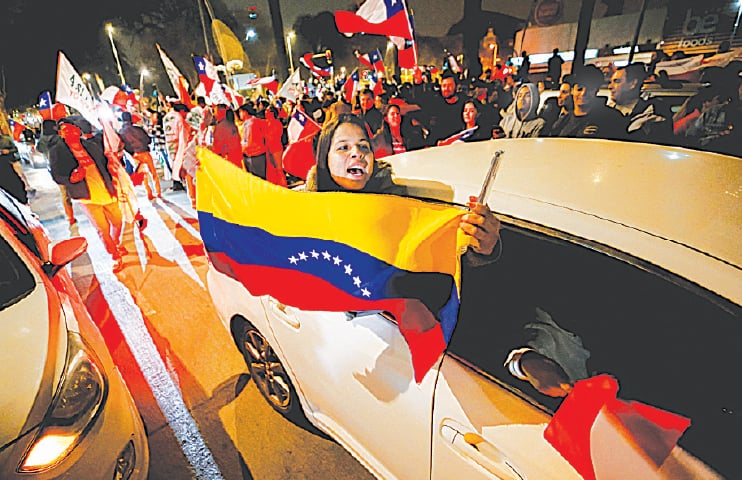

SANTIAGO: Chileans emphatically rejected a proposed new constitution to replace the one adopted during the Augusto Pinochet dictatorship, partial results showed on Sunday, in a result that exceeded the expectations of the conservative opposition.
With more than 88 percent of votes counted, the reject camp led with 62 percent compared to just 38 percent for those in favor.
The result is a far greater margin of victory than was predicted by opinion polls, which had suggested the constitution would be rejected by up to 10 percentage points.
More than 15 million people were eligible to vote in the compulsory election, with polling stations opening at 8am and closing 10 hours later.
Social upheaval that began in 2019 provided the impulse to overhaul the constitution, but the 388-article draft proved controversial and often confusing for voters. The new constitution aimed to build a more welfare-based society, boost Indigenous rights and legalize abortion.
“It’s a defeat for the refounding of Chile,” said Javier Macaya, president of the conservative UDI party, surrounded by people celebrating the constitution’s defeat.
In October 2019, protests sprung up mostly in the capital led by students initially angered by a proposed metro fare hike.
Those demonstrations spiraled into wider discontent with the country’s neoliberal economic system as well as growing inequality.
Leftist President Gabriel Boric, who supported the new text, had called for national unity whatever the outcome as he voted in Punta Arenas.
‘Resounding failure’
Among the chief concerns of opponents was the prominence given to the country’s Indigenous peoples, who make up close to 13 percent of the 19 million-strong population.
Proposals to enshrine reproductive rights and protect the environment as well as natural resources such as water, which some say is exploited by private mining companies, had also garnered much attention. The new constitution would have overhauled Chile’s government, replacing the Senate with a less powerful “chamber of regions,” and requiring women to hold at least half of positions in public institutions.
“Here people are more in favor of rejection,” said Alfredo Tolosa, 47, a woodworker in Tucapel, a small town in the southern Biobio region.
Published in Dawn, September 6th, 2022