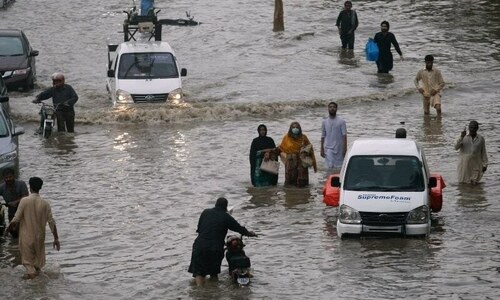
IT is an extremely unfair equation: though Pakistan is responsible for only a small fraction of a single percentage point when it comes to historical global carbon dioxide emissions, it is among the countries most vulnerable to climate change wrought by pollution. Its vulnerabilities have now been brought to the fore after weeks of unnaturally high rainfall were triggered by an extended spell of heatwaves — the latter a key symptom of global warming, which scientists have been warning the world about for decades.
Part of the blame — for example, for not doing more to mitigate the effects of climate change — may lie with us, but it is not unreasonable, given the reams of scientific evidence on the subject, to expect rich, developed nations, which generate the bulk of the pollutants that have triggered climate change, to take greater responsibility.
It is unfair that our people are once again paying with their lives, homes and livelihoods for the damage wreaked on the global climate by much larger, far more industrialised nations, while the latter bear few of the costs for their rapacious activities.
Read: Apocalypse now
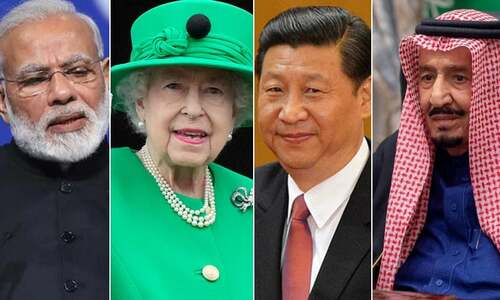
The ‘thoughts and prayers’ sent by some world leaders seem quite inadequate in this respect, considering that their countries have played such an outsized role in throwing the global climate off kilter.
It is also unfortunate that even the material aid that has been sent so far by the more proactive nations seems quite underwhelming given the scale of the disaster that it is meant to ameliorate. The challenges faced by the global economy may be one of the reasons why some otherwise responsible nations have been slow in their response to Islamabad’s requests for assistance. It is hoped that politics is not among those reasons.
The natural disaster Pakistan is facing is not an outcome of its own policy options but a consequence of choices made by others. It has a right to some form of reparations given the sheer cost of what it is being forced to bear.
Read: Unsung heroes — citizens scramble to help far-flung areas devastated by floods
Wide income disparities mean most people in Pakistan have little in terms of personal wealth. Yet, they are also resilient and have always found ways to help each other despite their meagre resources whenever catastrophe strikes. Even now, while suffering backbreaking inflation — currently at levels not seen in decades — the country is pulling together to contribute and rebuild. It will need all the help it can get.
If millions and billions can continue to be poured into wars that kill and destroy, the world can also find funds to restore and rebuild. The cost of the climate crisis must not be for the most vulnerable countries to bear alone. The developed nations must take responsibility to restore at least some of the damage their actions have caused.
Published in Dawn, August 30th, 2022