Bangladesh seeks $4.5bn IMF loan as reserves shrink


 29
29


DHAKA: Bangladesh has asked the International Monetary Fund for support in riding out a financial shock triggered by volatile energy prices after the Russian invasion of Ukraine, officials said on Tuesday.
The South Asian nation has experienced lengthy blackouts in recent weeks, sometimes for up to 13 hours a day, as utilities struggle to source enough diesel and gas to meet demand.
Tens of thousands of mosques around the country have been asked to curtail their use of air conditioners to ease pressure on the electricity grid, with power shortfalls compounded by a depreciating currency and dwindling foreign exchange reserves.
A senior finance ministry official, speaking on condition of anonymity, said that Dhaka had sought an IMF credit line, without disclosing the amount.
Local newspaper the Daily Star reported that Bangladesh was seeking $4.5 billion dollars from the Washington-based lender following a recent visit to the country by its representatives.
The country is grappling with crisis because of rising international fuel prices
Authorities were grappling with a “crisis” because of rising international fuel prices after the Russian attack on Ukraine, junior planning minister Shamsul Alam said.
“Our balance of payments is in the negative zone. We need to stabilise our exchange rate,” he said.
Austerity measures
Alam said the government had rolled out “austerity measures” in addition to electricity rationing, including import curbs and cuts to development spending.
Diesel power plants across the country, accounting for 1,500 megawatts of generation capacity, have been taken off the grid, while some gas-fired plants are also idle.
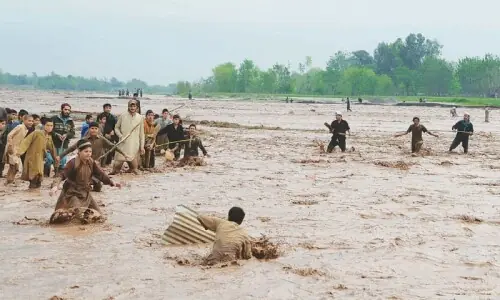
Bangladesh’s precarious financial position has been compounded by unprecedented floods in the northeast, inundating the homes of more than seven million people and causing nearly $10 billion in damage, according to government estimates.
The opposition Bangladesh Nationalist Party has blamed the government for the crisis, accusing it of squandering cash on multibillion-dollar vanity projects.
Several South Asian nations are struggling with galloping inflation and deteriorating public finances triggered by global economic headwinds.
Nearby Sri Lanka is currently in negotiations for an IMF bailout after running out of foreign currency to import even its most vital essentials, triggering long queues at petrol stations, food shortages and lengthy power cuts.
Angry crowds in the island nation stormed the president’s official residence earlier this month, prompting the leader to flee abroad and tender his resignation.
Known for its big garment-exporting industry, Bangladesh has sought the funds for its balance of payment and budgetary needs, as well as for efforts to deal with climate change, the Daily Star reported, citing documents it had seen.
It said Finance Minister AHM Mustafa Kamal wrote to IMF Managing Director Kristalina Georgieva on Sunday.
Officials at the finance ministry and the office of the IMF in Bangladesh did not immediately respond to requests for comment.
The Bangladesh Bank recently announced a policy to preserve dollars by discouraging imports of luxury goods, fruit, non-cereal foods, and canned and processed foods.
The bank’s foreign-exchange reserves fell to $39.67 billion as of July 20 — sufficient for imports for about 5.3 months — from $45.5 billion a year earlier.
Remittances from overseas Bangladeshis fell 5 per cent in June to $1.84 billion, the central bank said, as many migrant workers lost their jobs because of the Covid-19 pandemic and many of them could not get home because of the travel disruption it caused.
Published in Dawn, July 27th, 2022