How climate change can fuel global instability and spark conflict


 1
1


LONDON: From record-breaking and deadly heatwaves in western Europe to a severe drought in the Horn of Africa, the impacts of climate change are becoming increasingly clear and concerning.
But experts say insufficient attention is being paid to the knock-on effects of extreme weather events, and warn that they could jeopardise already fragile political stability around the globe by fuelling mass migration, food insecurity, and conflict.
Climate hazards even threaten to destabilise powerful players such as China and Brazil, which could have severe consequences for the rest of the world, according to a new report by risk consultancy Verisk Maplecroft.
So how can intensifying climate change hike these risks, and what can be done in response? How do climate risks affect global stability? As the impacts of climate change become more severe, they are expected to lead to “cascading” risks around the world.
This means they trigger chains of events which can eventually lead to political and economic turmoil.
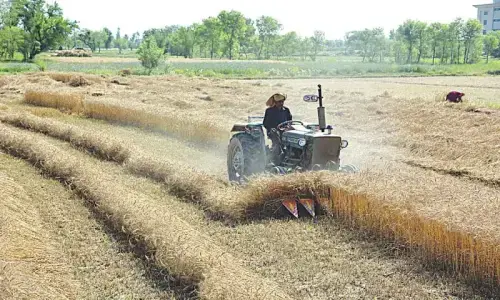
For example, climate change can damage agricultural livelihoods, forcing farmers to abandon their land and move to cities. That may lead to urban overcrowding and pressure on infrastructure, which can in turn fuel civil unrest.
Climate-related pressures act as a catalyst for complex social and political issues which might already be “bubbling under” in countries, said the report’s lead author Will Nichols.
“The very nature of these risks make them quite difficult to define and plan for,” he said, urging governments and companies to put more effort into understanding them.
Which parts of the world are most vulnerable? The report judges the vulnerability of 196 countries across 32 issues — including their exposure to climate hazards, natural resource security and poverty levels — using its own risk data along with information from sources like the World Bank.
It categorises countries into three groups: “insulated” nations that are most resilient to cascading risks; those which are most “vulnerable “; and “precarious” countries in between. The “vulnerable” group broadly consists of developing nations in Africa and Asia which are bearing the brunt of climate impacts.
The “insulated” group, of predominantly wealthier countries in Europe and North America, are strengthened by factors such as food security, strong governance and robust social policies.
Published in Dawn, July 22nd, 2022