LAHORE: The Punjab Human Organ Transplantation Authority (Phota) has decided to expand the scope of cadaveric transplants in the province.
This common source of organ transplant involves deceased donors, who have consented in advance to donate their organs. In this regard, the authority has asked the Pakistan Kidney and Liver Institute (PKLI), Punjab Institute of Neuro Sciences and the Punjab Institute of Cardiology Lahore to issue some key guidelines to achieve the targets.
The institutes were directed to engage religious clerics to issue edicts (fatwas) as well as create awareness among people to donate their organs.
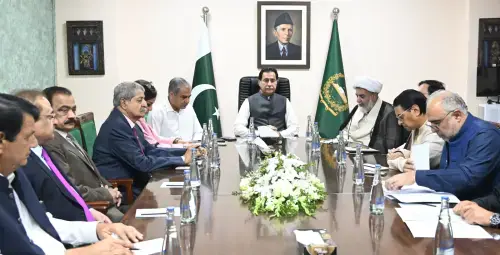
This was decided during the 19th meeting of the Monitoring Authority of Phota held under the chairmanship of Punjab minister Khawaja Salman Rafique at the provincial department of specialised healthcare and medical education. PKLI Dean Dr Faisal Dar, Dr Shahid Malik, Dr Murtaza, Dr Ghayasuddin Tayyab and other officers attended the meeting.
Minister Rafique told Dawn the cadaveric donation comprised organ donation, including heart, lungs, kidneys and liver, from brain dead people. Three of Lahore’s big teaching institutes were receiving several critical patients wounded in roadside accidents, roof collapses and bullet injuries. There were many other reasons that led to dead brains, and the Punjab government was seeking religious support to expand the scope of cadaveric transplant.
“In the meeting, we decided to launch an awareness campaign through leading medics and clerics of the country”, the minister said, adding the participants requested health professionals to collaborate with leaders of various faiths to educate and convince the relatives of brain-dead patients regarding the benefits of organ donation.
The meeting also reviewed the appointment of a new director general for Phota as well as the performance of the institution.
Rafique said the transplant authority would be made more active to provide relief to patients who were in dire need of an organ transplant. The scope of the service of cadaveric transplant should be expanded further, he said, and asked the officials concerned to intensify action against the elements involved in smuggling of human organs.
Earlier in March, the Punjab government had accorded approval to a ‘swap transplant’ plan -- the country’s first such scheme to allow patients to get access to organs from unrelated donors, other than blood relatives, in an effort to end organ trafficking.
The move by Phota had added Pakistan to the list of a few countries providing this facility, under which an unrelated donor could donate his or her organ to a recipient whose family member would in return donate one organ to another patient.
Calling it a revolutionary step, the medical community believed this could prove to be a game-changer in the fight against illegal organ transplant across Punjab. It could also help reduce the number of patients who had to wait for years to arrange for donors.
Published in Dawn, July 7th, 2022