0
0

ISLAMABAD: The Senate on Monday approved a bill, seeking separation of the judiciary and the executive and clipping the judicial powers of assistant commissioners, deputy commissioner and the commissioner of Islamabad.
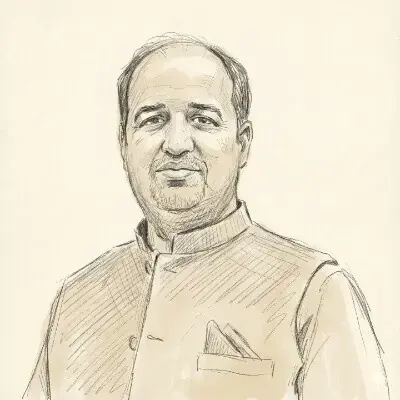
Moved by Senator Irfanul Haq Siddiqui, the bill, “Code of Criminal Procedure (Amendment) Act 2022”, seeks amendments to the Code of Criminal Procedure (CrPC) 1898. It will now be presented before the National Assembly for its approval.
Once approved by both the houses, the judiciary and executive branches of the government will be separated.
Speaking to Dawn, Mr Siddqiui said: “Today’s is a historic day as Senate passed the bill to make amendments to the 124-year-old CrPC, a colonial law.”
Code of Criminal Procedure (Amendment) Act 2022 will now be sent to NA
He said before partition of the subcontinent the local administrations were used as a tool by the rulers to crush their opponents. He said, unfortunately, the law still remains valid in Pakistan.
“Today, the Senate passed it and soon the bill will be presented before National Assembly,” he said.
The senator said assistant commissioners and the deputy commissioner in Islamabad enjoyed powers to send anyone to jail, adding the judiciary was a separate and specialised subject and it should be dealt with by judicial officers, not by bureaucrats.
He said assistant and deputy commissioners were administrative officers but in Islamabad a deputy commissioner acted as an administrative officer and also heard different cases as a judicial magistrate.
Earlier, while speaking to mediapersons in Parliament House, he said: “Today a key requirement of the Constitution has been fulfilled and colonial spirit of the Code of Criminal Procedure has been removed.”
The statement of objects and reasons of the bill stated: “The Constitution of Pakistan in Article 175(3) says the judiciary shall be separated progressively from executive within three and [later extended] 14 years from commencing days. The article guarantees independence and separation of the judiciary from the executive branch of the government. Originally, the Constitution provided a period of three years for separation but later the period was enhanced to 14 years through amendments. Yet there are certain provisions in the prevailing legal system in which special judicial magistrates are conferred with judicial powers that impede the impartial administration of justice.”
Mr Siddiqui was sent to jail in 2019 during the PTI regime when an assistant commissioner in Islamabad ordered his arrest for renting his house without informing the police. He was arrested by police and presented before an AC who rejected his bail. After a couple of days, he was, however, released.
The PML-N senator termed the case politically motivated and said the house in question was owned by his son.
During the last a few months, Mr Siddiqui has been actively pursuing the bill to end the judicial powers of ACs and the DC Islamabad.
Published in Dawn,May 24th, 2022