President will not resign, despite protests, says Lankan minister


 20
20


COLOMBO: Sri Lanka’s President Gotabaya Rajapaksa will not resign, a minister said on Wednesday, despite demonstrations against his handling of the country’s worst economic crisis in decades and as doctors held street protests over a shortage of medicines.
Rajapaksa, governing the country since 2019 with other family members in top positions, revoked a state of emergency late on Tuesday after five days as dozens of lawmakers walked out of the ruling coalition, leaving his government in a minority.
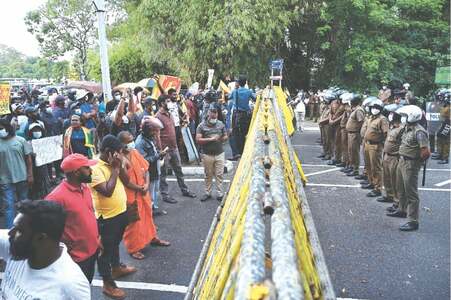
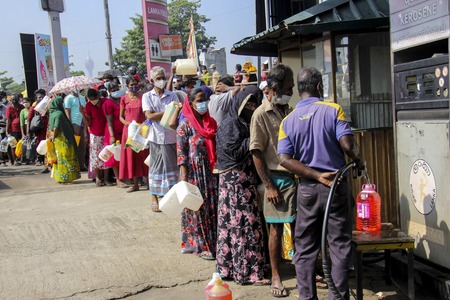
Sri Lankans have been suffering from shortages of fuel, power, food, drugs and other items for weeks, and doctors say the entire health system could collapse. Street protests began a month ago and have intensified in recent days, with people openly defying the emergency and a weekend curfew to demand the ouster of Rajapaksa.
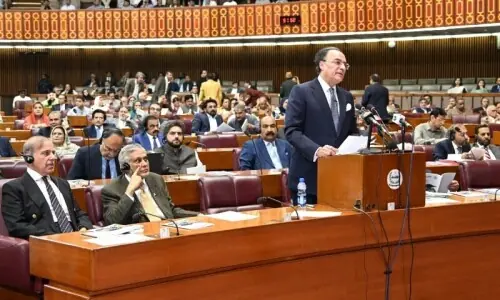
“May I remind you that 6.9 million people voted for the president,” Highways Minister Johnston Fernando said in parliament in response to criticism from the opposition and cries of “Go home Gota”.
Doctors take to streets over shortage of medicines
“As a government, we are clearly saying the president will not resign under any circumstances. We will face this.”
After Fernando’s speech, nearly 200 doctors, some in their blue scrubs, marched down a road by a national hospital in the commercial capital Colombo, chanting slogans against the government.
Some held a banner saying: “Strengthen people’s right to live. Declare a health emergency.” Malaka Samararathna, who works at the state-run Apeksha Hospital that treats tens of thousands of cancer patients from across the country every year, said not only drugs but even chemicals used in testing were running short.
“The patients who are on chemotherapy, we have to monitor them carefully. Daily we have to monitor these investigations,” Samararathna said.
“So, if we can’t do it, we can’t decide the way forward. We can’t decide on the proper management. Sometimes our chemotherapy drugs are causing severe side effects, so the only way we have to find it is by doing these investigations.” He said cancer drugs such as Filgrastim and Cytarabine, as well as some antibiotics, were in short supply.
Vasan Ratnasingam, a doctor at Colombo’s Lady Ridgeway Hospital for Children, the largest such free-of-charge facility in Sri Lanka with some 2,000 beds, said they had run out of at least one vital drug, Digoxin, given for heart conditions.
Published in Dawn, April 7th, 2022