Crisis could cause starvation, warns Sri Lankan speaker

COLOMBO: Sri Lanka’s crippling economic crisis risks causing starvation across the island nation of 22 million while acute shortages of essentials and debilitating blackouts will get worse, the speaker of parliament warned on Wednesday.
Scarce supplies of food and fuel, along with record inflation and electricity rationing, have inflicted widespread misery in the country’s most painful downturn since independence from Britain in 1948.
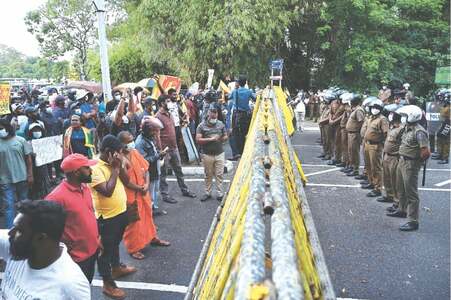
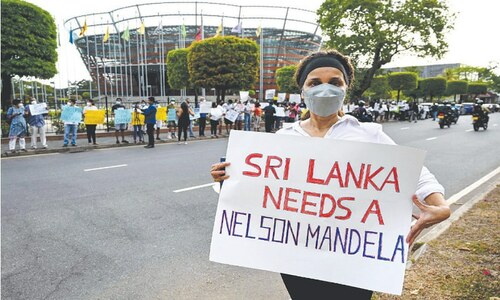
Public anger is at a fever pitch, with crowds attempting to storm the homes of several government figures — including President Gotabaya Rajapaksa — and large demonstrations elsewhere.
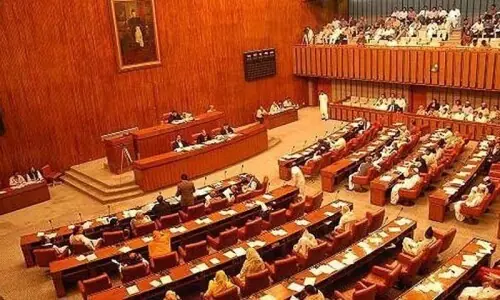
Parliamentary Speaker Mahinda Yapa Abeywardana told legislators that more hardships were to come as the country appeared at the brink of a political impasse.
“We are told this is the worst crisis, but I think this is just the beginning,” Abeywardana said at the start of a two-day debate on the worsening economic woes.
“The food, gas and electricity shortages will get worse. There will be very acute food shortages and starvation.” The parliamentary session was disrupted twice as opposition lawmakers shouted slogans denouncing members of Rajapaksa’s once powerful ruling family and demanding they step down.
But chief government whip Johnston Fernando vowed that the president would stay in office to shepherd the country through the crisis.
“We say very clearly that he will not resign under any circumstances,” Fernando said, drawing loud catcalls from opposition MPs.
Security forces have dispersed protests with tear gas, water cannon and rubber bullets, but a state of emergency imposed by the president last week to quell demonstrations was lifted at midnight.
More than 60 people had been arrested in connection with the unrest and many have said they were tortured in police custody.
Legislators had pushed for a debate on the emergency decree during this week’s session of parliament, where the government has lost its majority after the desertion of political allies — several of whom have since called for Rajapaksa’s resignation.
Opposition parties had already rejected the president’s overture to form a unity administration after the resignation of nearly the entire cabinet late on Sunday.
But there has so far been no clear signal that opposition legislators will attempt a no-confidence motion to topple the Rajapaksa administration.
A critical foreign currency shortage has left Sri Lanka struggling to import essential goods, with the pandemic torpedoing vital revenue from tourism and remittances.
Rating agencies have warned of a potential default on Sri Lanka’s $51 billion foreign debt, and authorities are unable to raise more commercial loans because of credit downgrades.
Economists say the crisis has been exacerbated by government mismanagement, years of accumulated borrowing and ill-advised tax cuts.
Agriculture ministry secretary Udith Jayasinghe warned in December that the country could face a famine due to the government’s decision to ban agrochemical imports last year.
Published in Dawn, April 7th, 2022