Post-freedom

STATE founders are towering figures who play the key role in freeing a state. While their founding roles are well-studied, their post-freedom roles in ensuring their state’s long-term progress are not. As we celebrate the birthday of our own state founder, it helps to analyse his post-1947 input towards our long-term progress by comparing him with more than a dozen post-World War II state founders.
Oddly, in contrast to their sterling founding roles, the post-freedom role of state founders is highly mixed. At one extreme are those who became long-ruling despots to harm their states badly. This includes Mao, Mugabe, Kim Il-sung and Eritrea’s Afewerki who still rules with an iron fist. Coincidentally, all were Marxist guerrilla leaders who ruled their states for 30-plus years.
While the African comrades shed Marxism in power, the years of leading autocratic guerrilla outfits and their lack of high education and experience in normal statecraft seemingly led all four to be autocratic. The results were huge abuses and economic and political ruin. But fellow comrade Castro’s legacy is two-edged, with clear social gains but also much autocracy.
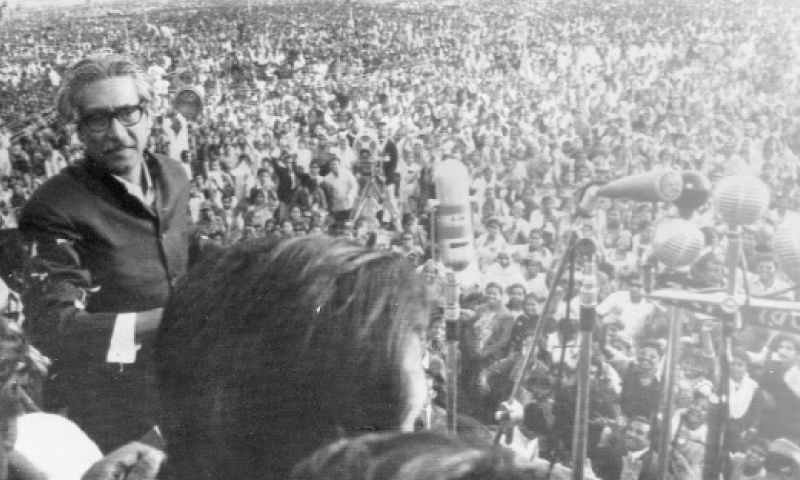
Many others struggled and were even deposed though they didn’t cause the national damage our four comrades did. Ghana’s Nkrumah, Algeria’s Bella and Indonesia’s Soekarno were removed and Mujib murdered by army elements following internal dissent. South Korea’s Syngman Rhee, Malaysia’s Tinku and Zambia’s Kuanda lost office due to political turmoil. Sri Lanka’s Senanayake was facing much opposition when he fell from a horse to die. Gandhi never took formal office and enjoyed huge respect but opposition to his pacifist stances led to his murder by extremists.
The role of state founders after freedom is mixed.
At the other extreme is Singapore’s Lee, economically the most successful state founder in this cohort. His life stands in sharp contrast to those of our comrades. Educated at Cambridge, he later got into the private sector and state service and then into peaceful labour and national politics to become Singapore’s first prime minister who made it a developed state in just three decades. While much credit is due to him, in comparing him with other state founders, it’s critical to remember Singapore’s significant advantages. It is a small, homogeneous, highly literate city-state located in a large region that saw massive progress from the 1960s onwards from which it gained much by becoming its financial hub. His non-democratic political legacy is thus a mixed one.
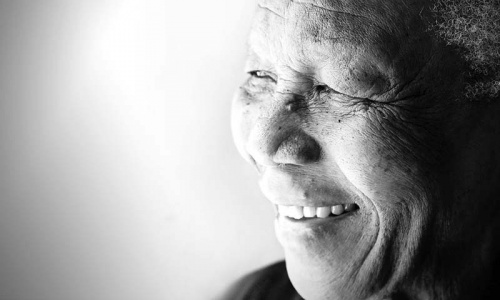
Mandela too garnered much global admiration, but not for economic but political success. While he was also a Marxist guerrilla leader earlier, his long years in jail took the aggression out of him to make him a pacifist believer in reconciliation who helped heal apartheid’s wounds. His own gesture of relinquishing power after two terms was a significant role model which many despots failed to follow. Tanzania’s Nyerere earned much respect too in Africa not having committed egregious abuses, ruling instead with a people-centred approach and pan-Africa vision. Nehru can be considered a co-state founder who got much respect too due to his political success.
Read more: Nelson Mandela: A timeline of his life
That leaves our own state founder — reverentially the Quaid-i-Azam for hundreds of millions of his highly respectful and devoted followers. He is perhaps alone in the state founders’ club to have been placed on such a high pedestal that an objective analysis of his legacy attracts huge national ire. He was among the shortest-ruling state founders. Thus, in contrast to his major role in gaining freedom and the post-freedom role of some fellow state founders, his part in positively shaping our post-freedom social, economic and political trajectory was minimal due to old age, ill health and short sojourn as ruler.
But some may argue that his failing health status should have added more urgency to leaving behind a clearer progressive social and political future vision for the country.
A key role for historians is to fathom the factors that shaped our journey between our two key resolutions: the 1940 Lahore resolution that mentions Muslims but not Islam and the 1949 Objectives Resolution that set up faith as the guiding force for the new state even in the absence of entities pushing a religious agenda. So there were missed opportunities in shaping its future.
One can raise other issues too but that may stress our hyper-sensitive national ego.
Special report: The Legacy of Mr Jinnah 1876-1948
Very few state founders contributed positively towards the long-term progress of their created states. Clearly, the skills required for creating a state are very different from those needed for running it successfully after freedom. While Lee’s economic success in a small state stands out, deeper analysis may place more premium on the political successes of Mandela, Nehru etc in much more complex and larger states.
The writer is a freelance political economist with a PhD from the University of California, Berkeley.
Twitter: @NiazMurtaza2
Published in Dawn, December 28th, 2021