67 countries reach ‘historic’ deal on trade in services


GENEVA: A group of 67 countries, including the United States, China and EU members, reached a deal at the World Trade Organisation on Thursday on facilitating trade in services.
The countries, which account for just over a third of all WTO members but represent 90 percent of global trade in services, concluded the accord after four years of negotiations.
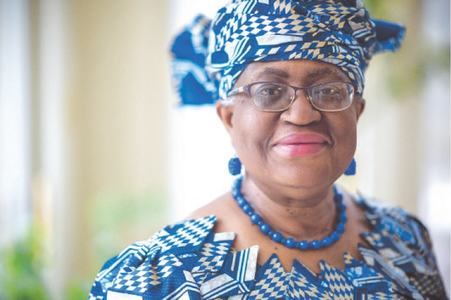
WTO chief Ngozi Okonjo-Iweala hailed the deal as “historic”, pointing to estimates that it would lower the costs associated with the services trade by as much as $150 billion each year.
Faced with WTO’s long-time failure to conclude multilateral trade deals among all 164 members, smaller numbers of countries have increasingly moved to plurilateral negotiations in a bid to move forward in areas including domestic services regulation.
Washington hailed Thursday’s deal in a statement, saying it would “improve the transparency and fairness of processes for obtaining authorisations to provide services by professionals and firms in a wide array of fields.” “This initiative is the first successful WTO services negotiation in years, and shows how WTO members can take practical, common sense steps to address clearly defined trade problems,” US Trade Representative Katherine Tai said in a statement. EU Trade Commissioner Valdis Dombrovskis also hailed the “groundbreaking” deal, tweeting that it would “cut red tape in services trade.”
Trade in services has grown significantly over the past decade and the WTO now estimates that it accounts for around half of world trade. However, trade in services costs are about twice that of trade in goods.
A significant portion of the costs is attributable to regulatory differences as well as opaque regulations and burdensome procedures.
WTO members are free to regulate their service sectors, but starting in 2017, the growing group of countries has worked towards developing good regulatory practices so as not to restrict trade unnecessarily.
Published in Dawn, December 3rd, 2021