Afghan journalists decry Taliban TV 'guidelines'


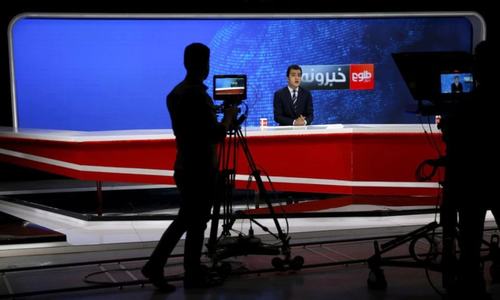
Afghan journalists and activists on Tuesday condemned new “religious guidelines” issued by the Taliban that restrict the role of women in television, as the country's new rulers move to muzzle the media.
The Ministry for the Promotion of Virtue and Prevention of Vice on Sunday called on television channels to stop showing dramas and soap operas featuring women actors.
It also told broadcasters not to screen films or programmes that are “against Islamic or Afghan values” and asked women television journalists to wear the hijab while presenting their reports.
Zan TV, the first Afghan channel staffed exclusively by female producers and reporters, said on Twitter that the “guidelines threaten media freedom” and reduce “the presence of women journalists”.
The Taliban's interpretation of the hijab — which can range from a hair covering to a face veil or full-body covering — is unclear, and the majority of Afghan women already wear headscarves.
The attempt to regulate the media comes three months after the Taliban swept back into power.
Hujatullah Mujadidi, a founding member of the Federation of Afghan Journalists, said if enforced, the guidelines would force “some media outlets, especially television, [to] stop working”.
Many shows rolled out to fill television schedules, notably soap operas produced in India and Turkey, will be inappropriate under the new guidelines, making it difficult for channels to generate enough output and retain audiences.
A ministry spokesperson said after the announcement that the new measures amounted to a “religious guideline” rather than rules.
But Qari Abdul Sattar Saeed, a media spokesperson for the Taliban prime minister, days earlier accused the Afghan media of conveying propaganda for the “enemy” and said they should “be treated harshly”.
'Efforts to silence criticism'
Aslia Ahmadzai, a journalist in exile, told AFP that women journalists “will feel threatened”.
Another exiled Afghan journalist, who wanted to remain anonymous, described the guidelines as “the first step to banning the TV altogether, just like in the 90s”.
Read: Press and Taliban
During the Taliban's 1996-2001 stint in power, there was no Afghan media to speak of — the group banned television, movies and most other forms of entertainment, deeming them immoral.
Despite insisting they would rule more moderately this time around, the Taliban have already introduced rules on what women must wear at university.
Taliban members have also beaten and harassed several Afghan journalists covering protests despite promising to uphold press freedoms.
The Human Rights Watch condemned the television guidelines.
The “new media regulations and threats against journalists reflect broader efforts to silence all criticism of Taliban rule”, said Patricia Gossman, associate Asia director at the Human Rights Watch.
Many journalists are living in fear due to threats, the rights group added in a statement.
It alleged that “Taliban officials ... have required journalists to submit all reports for approval before publication.”