Germany mulls new measures amid explosion in Covid cases


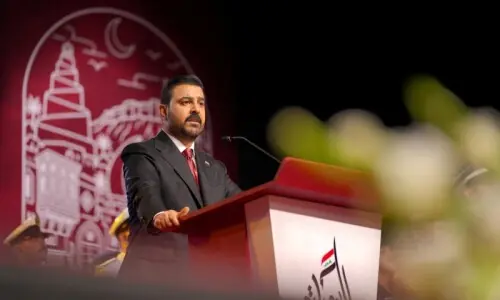
BERLIN: Germany needs further coronavirus restrictions to combat a record surge in infections and “get through this winter”, the country’s likely next leader Olaf Scholz said on Thursday, calling a national meeting to decide new curbs.
The EU’s most populous country recorded 50,196 new cases in the past 24 hours, according to the Robert Koch Institute (RKI) health agency — the first time the figure has exceeded 50,000.
Infections and deaths have been climbing steeply since mid-October, in an outbreak blamed on Germany’s relatively low vaccination rate of just over 67 percent.
After getting through the first three onslaughts of the pandemic better than many of its neighbours, the current fourth wave seemed to take the nation by surprise.
At nearly 250 infections per 100,000 people, Germany is faring much worse than France (94), Italy (73) or Spain (41), according to the Statista data agency.
Scholz’s remarks came as he faced criticism for his relative silence, with detractors saying he was consumed by his Social Democrats’ bid to form a ruling coalition with the Greens and liberal FDP following September’s election.
Presenting proposed measures drafted by the three parties in parliament, Scholz said new restrictions were necessary to “get through this winter”.
“What we need now is for the country to pull together in one direction,” he said, also urging more Germans to get vaccinated.
“Even if the situation is different (from last winter) because so many people have been vaccinated, it is still not good, especially because not enough people have made use of the vaccination option so far,” Scholz added.
The measures proposed by the incoming coalition parties include restricting access to certain facilities to those who are vaccinated or have recovered from the disease — a system known as 2G in Germany.
They also want to tighten testing requirements at workplaces and reintroduce free rapid antigen tests, a measure that had been in place over the summer but was abandoned in mid-October.
The proposals will be scrutinised by the Bundestag lower house of parliament this week and are expected to come into force at the end of the month.
Scholz also announced a meeting between the federal government and the leaders of Germany’s 16 states next week — to be held on Thursday, North Rhine-Westphalia state premier Hendrik Wuest said.
Outgoing Chancellor Angela Merkel has called for urgent action and described the rise in infections as “dramatic”.
“The pandemic is returning in a new spectacular fashion,” her spokesperson said this week, calling on regional authorities to take further steps to quell the outbreak.
However news magazine Der Spiegel slammed the measures — and Scholz’s speech — as totally inadequate to the crisis.
“His address remained as grey as the suit he was wearing,” it said. “He has the unusual talent to consistently sedate his listeners within minutes.”
Hospitals in some regions are already overwhelmed, especially in the east of the country, which has started transferring patients to less affected regions.
Health Minister Jens Spahn has said the country is facing a “massive pandemic of the unvaccinated” and has urged as many Germans as possible to get a booster vaccine.
Published in Dawn, November 12th, 2021