LRH becomes first hospital of KP to introduce clinical pharmacy


 0
0


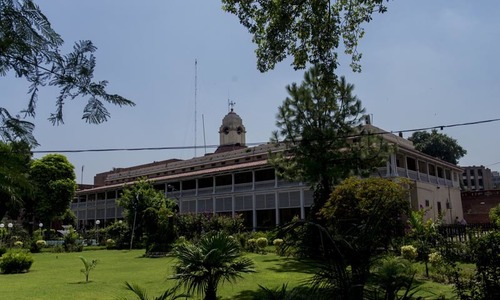
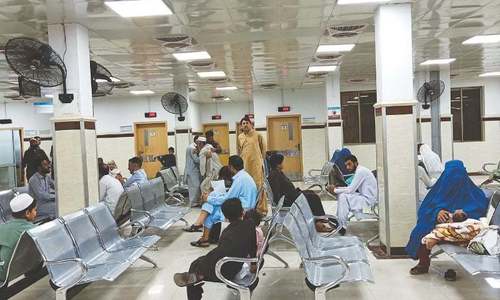
PESHAWAR: Lady Reading Hospital has introduced clinical pharmacy and e-prescription services to ensure correct dosage of medicines for safety of patients and putting brakes on misuse of drugs and other medical supplies.
It is for the first time in the history of Khyber Pakhtunkhwa that any public sector hospital has introduced such services.
“The hospital has been issuing medicines to admitted people on indent book, issued to patients in wards. Under the new system, the patients get medicines directly from the hospital pharmacy through e-prescription. It has helped us to make proper use of the medicines procured for free provision to people,” LRH Pharmacy Manager Mohammad Amir told Dawn.
The health facility has also started e-prescription
He said that physicians uploaded the details of drugs required by patients through online system that were issued to the relevant wards. He said that under the old system, drugs were issued to the wards that were provided to the patients from there. “The new mechanism has enabled the doctors to get the required quantity of drugs and put brakes on waste of the medicines at the hospital,” he added.
The change has been the outcome of Medical Teaching Institutions Reforms Act, 2015 under which 11 teaching hospitals and affiliated medical colleges have been granted financial and administrative autonomy.
LRH was the first hospital in the province to enforce the law. It has 25 pharmacists now to streamline the pharmaceutical services for the effective care of patients. The hospital had only three pharmacists in 2017.
Dr Amir, who holds a PhD degree from abroad in pharmacy, said that they established main warehouse to supply medicines and other items to the store from where those were issued to the wards on demand.
“We have also established satellite pharmacies in gynea, paeds surgery and accident and emergency department to enable the patients to get the desired medicines promptly. More satellite pharmacies are being established,” he said. He added that all the supplies were made electronically that were recorded in the system and could be checked when needed.
A ‘pharmacy informatics lab’ has also been established to ensure correct use of medicines, its delivery and latest knowledge for the betterment of patients. LRH is the first public sector hospital to upgrade pharmacy services that also include clinical pharmacy under which the pharmacists and physicians discuss use of medicines to patients.
“The physicians at the hospitals also appreciate the clinical pharmacy because under it our colleagues ensure that the patients get right doses of certain drugs and avoidance of complication coming out of combination of drugs,” said Dr Amir.
He said that their clinical pharmacists visited the wards and made interventions with regard to prescriptions. He said that in 98 per cent cases, the physicians agreed and subsequently the most appropriate medication was given to the patients. “In this way, we have stopped duplication of antibiotics and other drugs,” he added.
Pharmacist Azizullah Khan said that they had also setup OPD pharmacy where patients received drugs at eight per cent discount from the market. “The people get right medicines because we purchase drugs in bulk from 30 top pharmaceutical companies, which give us more discounts that are transferred to the patients,” he said.
He said that they also installed cold chain system to keep certain medicines under the required temperature and patients got quality drugs.
Published in Dawn, October 16th, 2021