KARACHI: Pakistan has become the third country in the world with highest number of diabetics as in the past two years the number of patients suffering from the medical condition has increased by more than 14 million, an international health body said with a stern warning on Friday.
Pakistan is now ranked third in the prevalence of diabetes following China and India and according to the International Diabetes Federation (IDF) Diabetes Atlas 10th Edition, which is going to be released next month, around 33m people are living with diabetes in Pakistan.
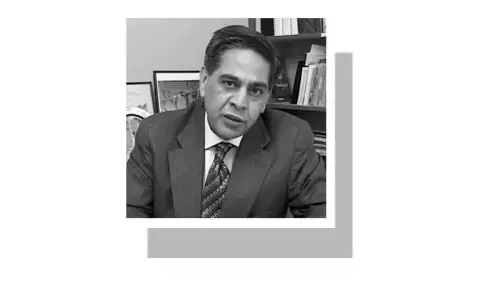
“Pakistan has surpassed the US in number of diabetics and now rank third in the world in the prevalence of diabetes where 33m are living with diabetes following China and India,” Prof Abdul Basit, member of IDF Diabetes Atlas Committee said while speaking at signing ceremony of a memorandum of understanding (MoU).
He said that the official data would be presented in the 10th edition of IDF Diabetes Atlas to be released on November 14 and warned that a similar number of people (33m) in Pakistan had borderline diabetes and if an immediate action was not taken, the number of diabetics could be doubled in the country within a few years.
Call to close all schools without playgrounds to rescue children from diseases
The MoU was signed between Health Research Advisory Board (HealthRAB) and a local pharmaceutical firm for the creation of Diabetes Registry of Pakistan (DROP) for people with Type 2 Diabetes, people with diabetic foot ulcers, for people with peripheral vascular disease and women with gestational diabetes.
“As per IDF Diabetes Atlas 9th Edition published in 2019, around 19.4m were diabetics in Pakistan, but within last two years, when most of the physical activities came to a halt due to pandemic, 13.6m more people have become diabetics in the country, which is extremely alarming for the health experts as well as the policymakers,” Prof Basit claimed and added that Pakistan was now ahead of the US which had 32m diabetics in the population of 330m people.
He said that around 10m children of 8-10 years of age were facing childhood obesity in Pakistan and if immediate steps were not taken, these children would also become diabetics in the next few years.
“It is the right time that we close down all schools which are without playgrounds as there is a need to involve children in compulsory physical activity of at least one hour in a day. It is also imperative that our adults also modify their lifestyle and resort to physical activities to remain fit and healthy,” Prof Basit added.
Briefing about the DROP, he said they started the diabetes registry for children with Type 1 diabetes but its prevalence was very low, which was around 0.1m in the country but added that there was a need to find the actual number of people with Type 2 diabetes to standardise the healthcare they were receiving to prevent the amputation rate and improve their quality of life.
Lauding the financial and technological contribution from the pharmaceutical firm Pharmevo for their contribution in the field of research, he said now the cloud technology would be used to register the details of millions of diabetics, their age, gender and other information.
‘Harvard following our example’
“HealthRAB is now running seven registries of different diseases while around 7-8 registries are in the pipeline. International institutions like the World Health Organization (WHO) and the Harvard University are following our models while Harvard University is going to implement our Changing Diabetes in Children (CDC) in 14 countries of the world,” Prof Basit added.
Speaking on the occasion, managing director of the local pharmaceutical firm Haroon Qasim said data was now more valuable than oil and all policies were being prepared and implemented on the basis of accurate data, but unfortunately, Pakistan lacked data regarding different health conditions among its population and so unable to prepare health policies accordingly.
“Establishment of DROP would help us ascertain the data of our population and prepare the health policies accordingly. We don’t have our home-grown data unfortunately but these registries would help us in this regard,” he added.
Published in Dawn, October 9th, 2021