0
0

ISLAMABAD, Oct 28: Around 150,000 people may need treatment for severe mental disorder in the aftermath of the October 8 earthquake and the ensuing aftershocks, the World Health Organization (WHO) estimates.
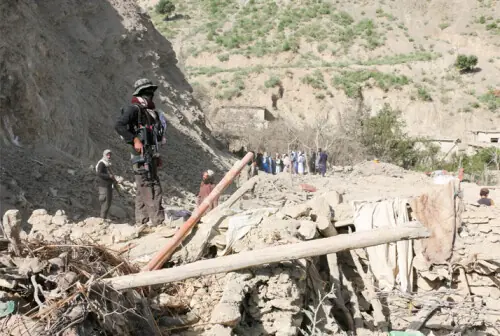
An official of the WHO said many of the 3.5 million quake- affected people had lost their homes, families and livelihoods. “The fact that many bodies have not been and may never be recovered is also a source of mental distress.”
Based on the experience of the previous disasters, severe mental disorders may be seen in between three to four per cent of the affected population.
In response to the increased need for mental health and psychosocial support, the WHO is working closely with the Ministry of Health and other partners to train mental health workers in providing psychological care to the quake victims. The Ministry of Health has already deployed four teams of specialists in the most affected areas.
The WHO, through its network of national and expatriate staff in Islamabad and five field offices in Muzaffarabad, Mansehra, Balakot, Bagh and Rawalakot, continues to support the Ministry of Health in coordinating with dozens of health actors already operating in the affected areas.
The earthquake and aftershocks have killed over 53,000 people and injured an estimated 75,000, including many health staff. The latest available assessments show that 291 health facilities have been destroyed and 74 partially damaged of a total of 564 in the area. Less than half continue to operate.
The World Health Organization (WHO), with other health partners, is taking action and has already made a difference with the help of timely donations. Tens of thousands of people have had access to surgery, medicines, vaccination and other public health measures care.
To expand access to health care for the thousands who still need it now, to provide health care throughout the winter and to prevent and respond to any outbreaks, the WHO is appealing for a total of $27.57 million as part of the revised United Nations Appeal. So far, US$ 11 million have been pledged to the WHO since 8 October.
The revised appeal will increase the WHO’s support to the Ministry of Health in tackling four vital areas of health. To date, tens of thousands of people have received medical treatment at civil and military health facilities but many people with major medical and surgical needs in remote areas are still being found.
People with complicated injuries will need follow-up care and people with chronic disease such as diabetes, heart and kidney disease need access to regular treatment.
The World Health Organisation (WHO) has already sent supplies and medicines to meet the health care needs of 2,70,000 people for one month. More medical and surgical supplies are in the pipeline.
Poor water quality and lack of adequate sanitation has increased the risk of communicable diseases such as diarrhoeal illness and measles. To quickly spot outbreaks and prevent epidemics, the WHO has supported the Ministry of Health to build a disease surveillance system involving over 200 medical experts and staff. The disease surveillance system will be expanded to all affected areas.