Chest physicians demand raise in taxes on cigarettes


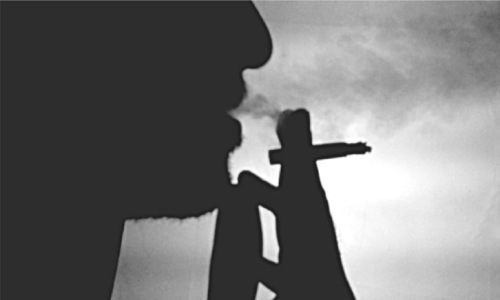
KARACHI: The Pakistan Chest Society (PCS) — a representative body of chest physicians — has demanded increased taxes on cigarettes.
“The total cost attributable to all smoking-related diseases and deaths in Pakistan for the year 2019 has been found to be alarmingly high, that is, Rs615.07 billion [$3.85bn],” said PSC president and Ojha Institute of Chest Diseases director Prof Nisar Ahmed Rao.
Citing a recent report of the Pakistan Institute of Development Economics, he said this amount was five times higher than the overall tax revenue the government generated from the tobacco industry (Rs120bn in 2019). He called for increasing taxes on cigarettes.
Endorsing this demand, Prof Javaid Khan of Aga Khan University said tobacco killed over 166,000 people every year in the country and one of the most cost-effective tobacco-control measures available to the governments across the world was to raise taxes on tobacco products.
“The average excise tax share in the country is 45.4 per cent of the retail price, which is much lower than the WHO recommendation of at least 70 per cent of the retail price. Last year, the federal cabinet approved a health levy [Sin Tax] of Rs10 per cigarette pack. But, for one or the other reason, this additional tax hasn’t been implemented yet,” he said.
Over 166,000 people die every year in the country due to the use of tobacco
‘Higher tax discourages tobacco consumption’
Another chest physician, Dr Nousheen Saif at the Jinnah Postgraduate Medical Centre regretted that Pakistan’s tax policy was among the weakest action areas in the country’s
fight against tobacco despite evidence that higher tobacco taxation discouraged tobacco consumption.
“The one explanation could be that policymakers, who consider the tobacco industry a major contributor to government coffers, are reluctant to raise taxes fearing revenue loss. The fact is that the price of cigarettes in Pakistan is the cheapest in the world thus encouraging our youth to get hooked on to this powerful addictive substance.”
Prof Arshad Javed, senior member of PCS and former vice chancellor of Khyber University Peshawar, said almost 50pc of lung disease could be prevented if smoking was avoided.
He urged the government to increase taxes on cigarettes in order to reduce the burden of respiratory diseases in the country.
“The industry is trying to ensure that tobacco products continue to be inexpensive while keeping their profits at the cost of public health. Tobacco companies also use illicit trade as a critical argument against tax increases despite their participation in illegal trade,” he said.
Dr Shireen Khan of the Bolan Medical College Quetta said the tobacco industry tried to block the implementation of effective tobacco control legislation including taxation.
“It deliberately used fake data to compel governments and resist tobacco taxation reforms to enhance their profits and gains. It’s time the government raises the price of tobacco through a raise in tax and ensures that this amount is reflected in its price.”
Published in Dawn, June 12th, 2021